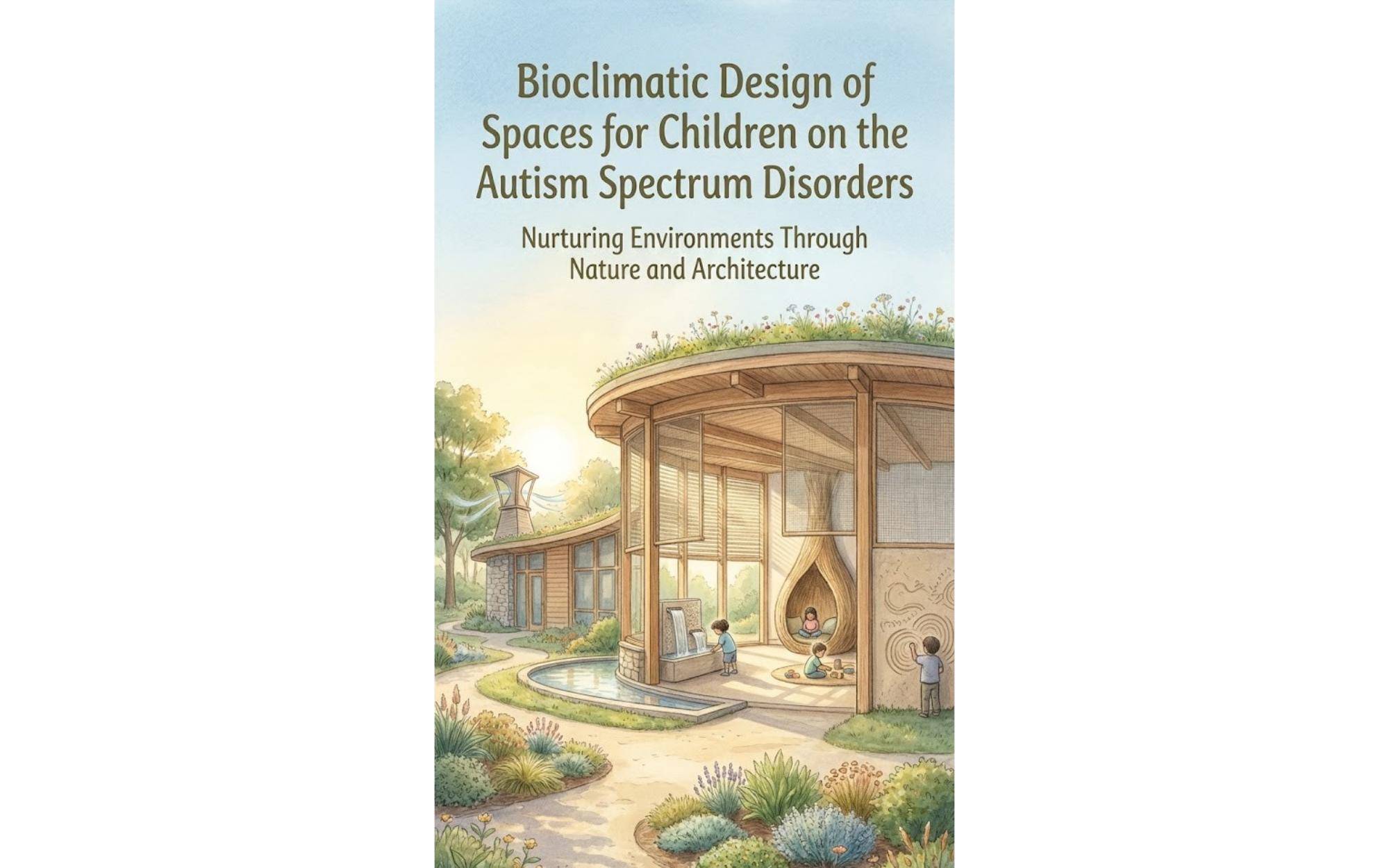
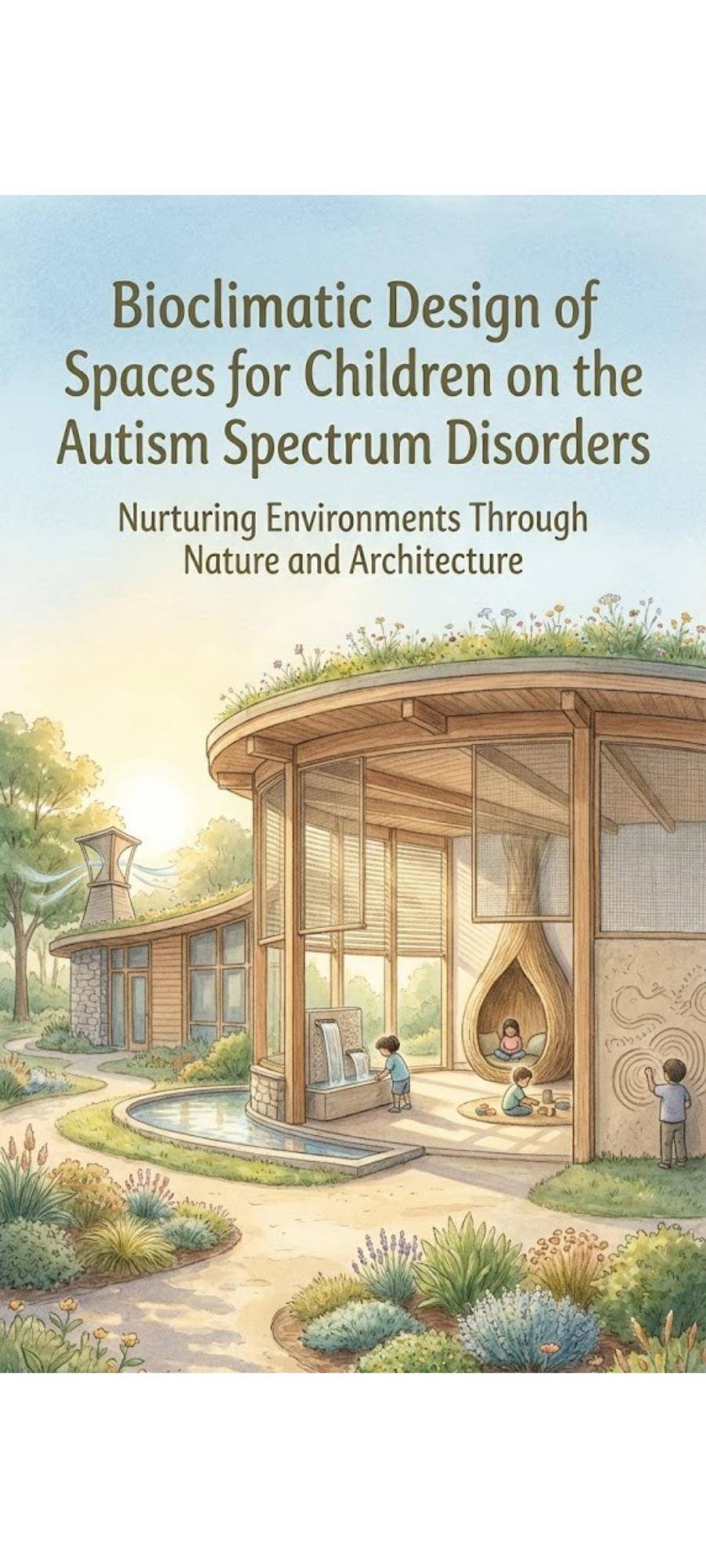
This thesis explores the vital intersection of bioclimatic design and the specific environmental needs of children with autism, a population that is increasingly significant given recent statistics from the CDC's Autism and Developmental Disabilities Moni-toring Network (ADDM, 2023), revealing that 1 in 36 children are now diagnosed with autism.
To inform this study, 11 extensive interviews were conducted with world-renowned specialists in autism, architects, doctors, and researchers. Their insights provided a profound understanding of the unique challenges faced by children with autism and the role that architectural design can play in enhancing their well-being.
The research extends into the examination of various case studies, seeking to identify bioclimatic principles embedded in these designs. These case studies were selected for their renowned expertise in accommodating individuals with autism. The findings derived from this extensive analysis were employed to develop evidence-based design guidelines.
Furthermore, this study applies the knowledge gained to optimize two existing case studies in Transylvania, highlighting the need for architectural solutions to meet the specific needs of children with autism in this region. These design interventions incorporate bioclimatic principles that promote comfort, sensory regulation, and overall well-being for these children.
In an era where autism prevalence is on the rise, understanding how architectural design can benefit the daily lives of children with autism is paramount. This research contributes to the growing body of knowledge in bioclimatic design and autism, serving as a valuable resource for architects, designers, and healthcare professionals working to create inclusive and supportive en-vironments for children on the autism spectrum.

Have a question? Chat with us on WhatsApp and we'll get back to you shortly.