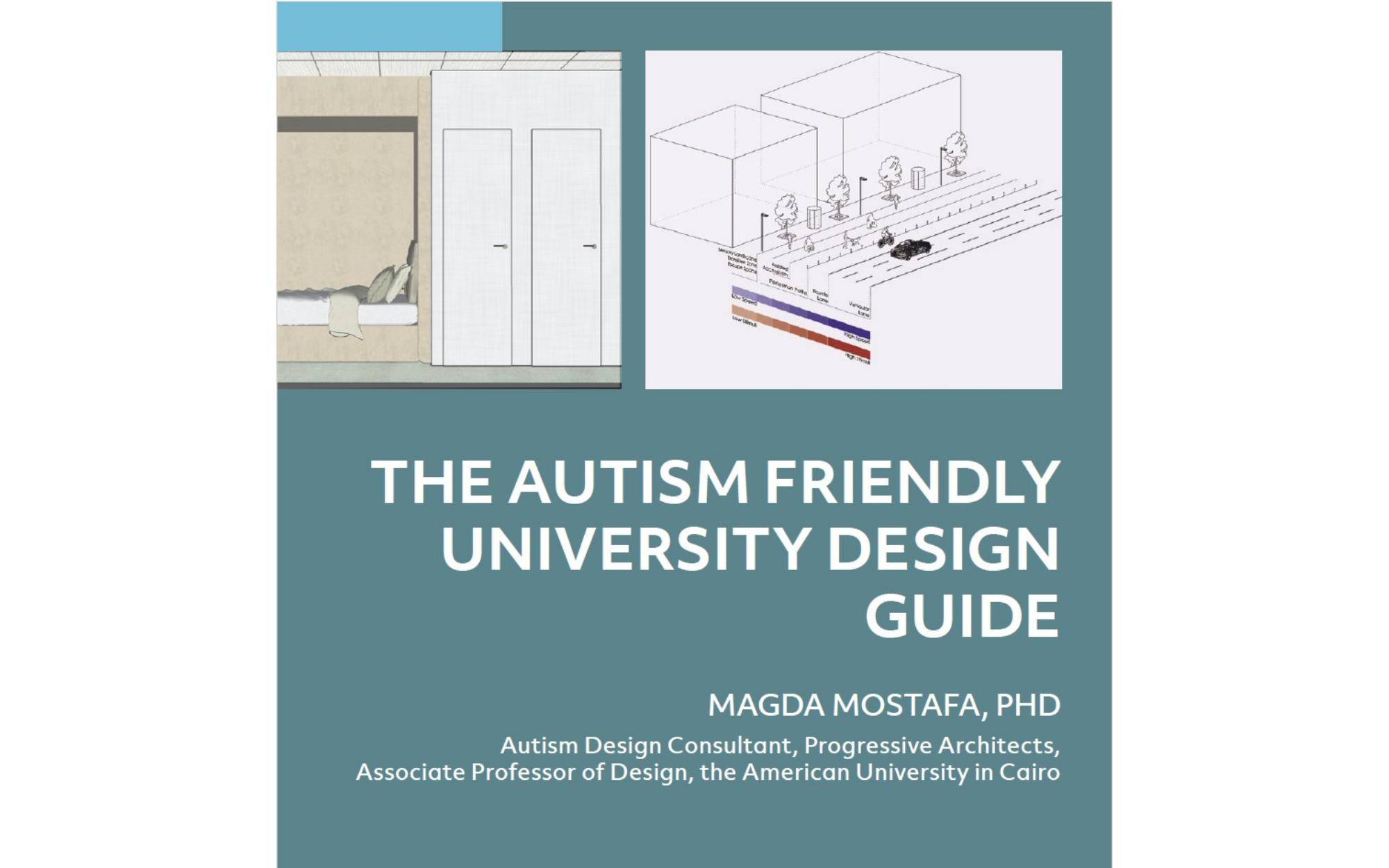
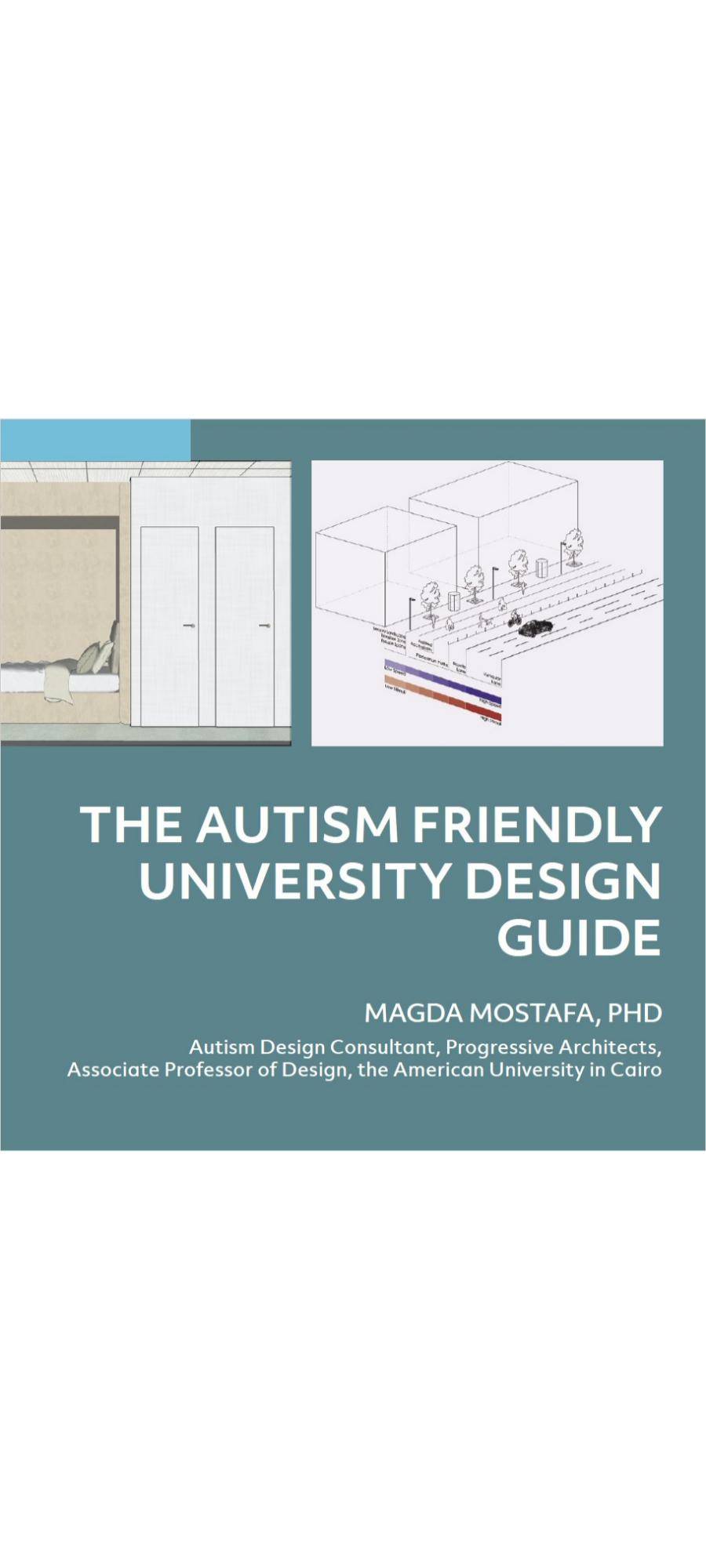
Dublin City University (DCU) was designated the world’s first autism-friendly university in 2018. It is committed to supporting and celebrating all students and staff who are on the autism spectrum. DCU works closely with global best practices and has committed to adapting the environment, raising awareness and acceptance, and building initiatives to make it as easy as possible for autistic community members to participate fully in all aspects of university life. Pursuant of that goal, they have commissioned the development of this Autism Friendly University Design Guide to provide the requisite built environment infrastructure to realise their programs, processes and procedures to successfully realise a truly autism friendly university. Autism spectrum disorder diagnoses have been increasing globally in the past two decades, with many scholars and researchers pointing to the early 2000’s as the point where these diagnoses spiked. This was aligned with expanding diagnostic definitions; increasing awareness across the medical, educational and public realms; and the redefinition of some otherwise misunderstood diagnosis as actually autism spectrum. Now, almost 20 years later, what I call this “peak cohort” has progressed through various early intervention, early childhood, Primary and Secondary level mainstream, special education, and alternative format educational systems. Their progress has been supported by research, multiple interventions, evolving pedagogies, growing societal awareness at a level not afforded to the cohorts of the decades preceding them. Although far from perfect, and with much room for increased awareness, acceptance, inclusion and support, many members of this “peak cohort” are now increasingly emerging from their lives as schoolchildren, and as they age out of school, find themselves ready for a higher education that is unfortunately unprepared for them. A mindful organization of the built environment of these higher education spaces may, however, play an important role in achieving these goals, by removing barriers and creating spatial opportunity for more authentic and integrated inclusion of autistic students with their fellow learners. Research has shown that the architectural environment can play a conducive role in the facilitation of inclusion and support of access for autistic individuals, particularly in learning environments. This guide is hopefully a small first step to that preparation at the level of higher education.

Have a question? Chat with us on WhatsApp and we'll get back to you shortly.