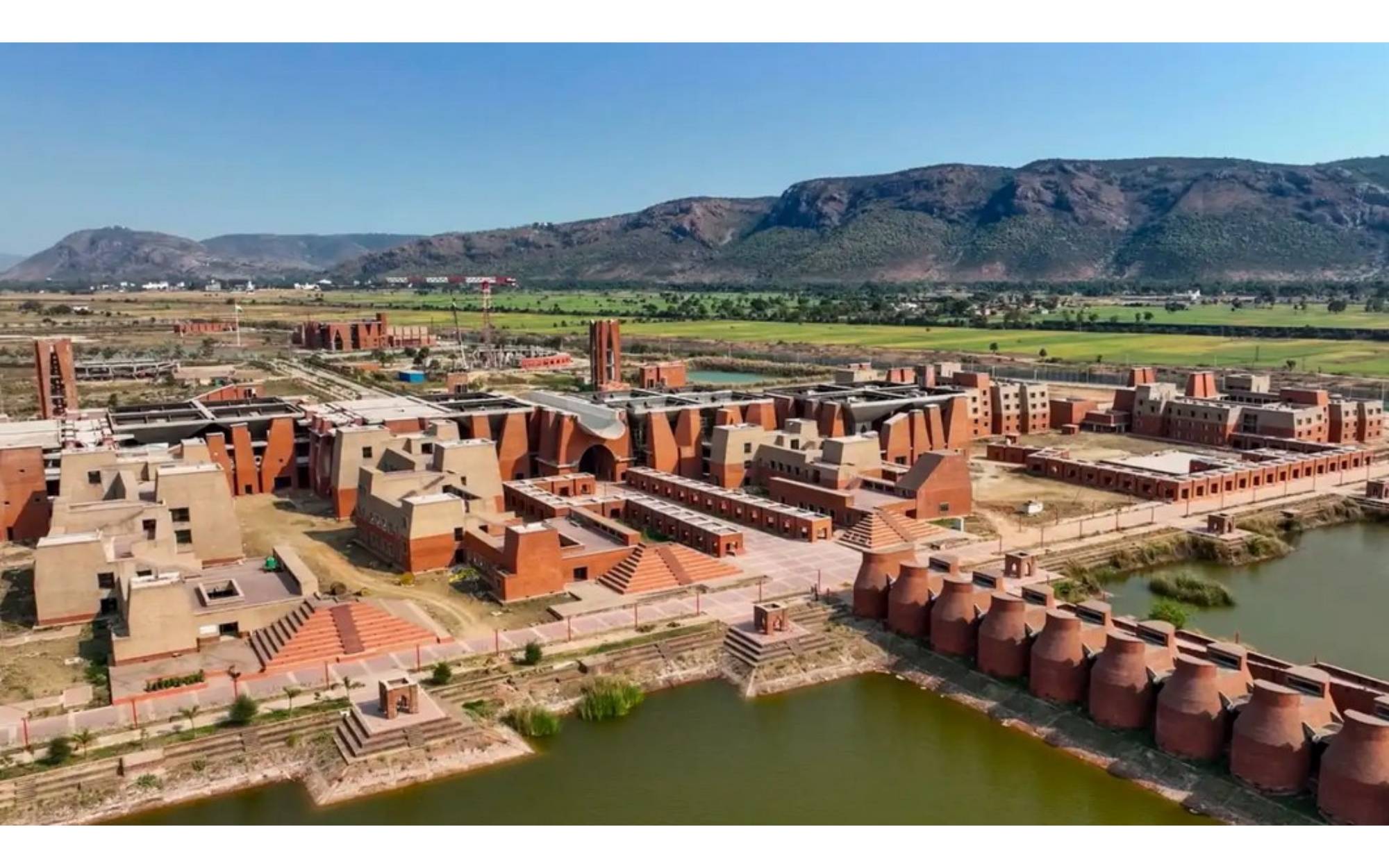
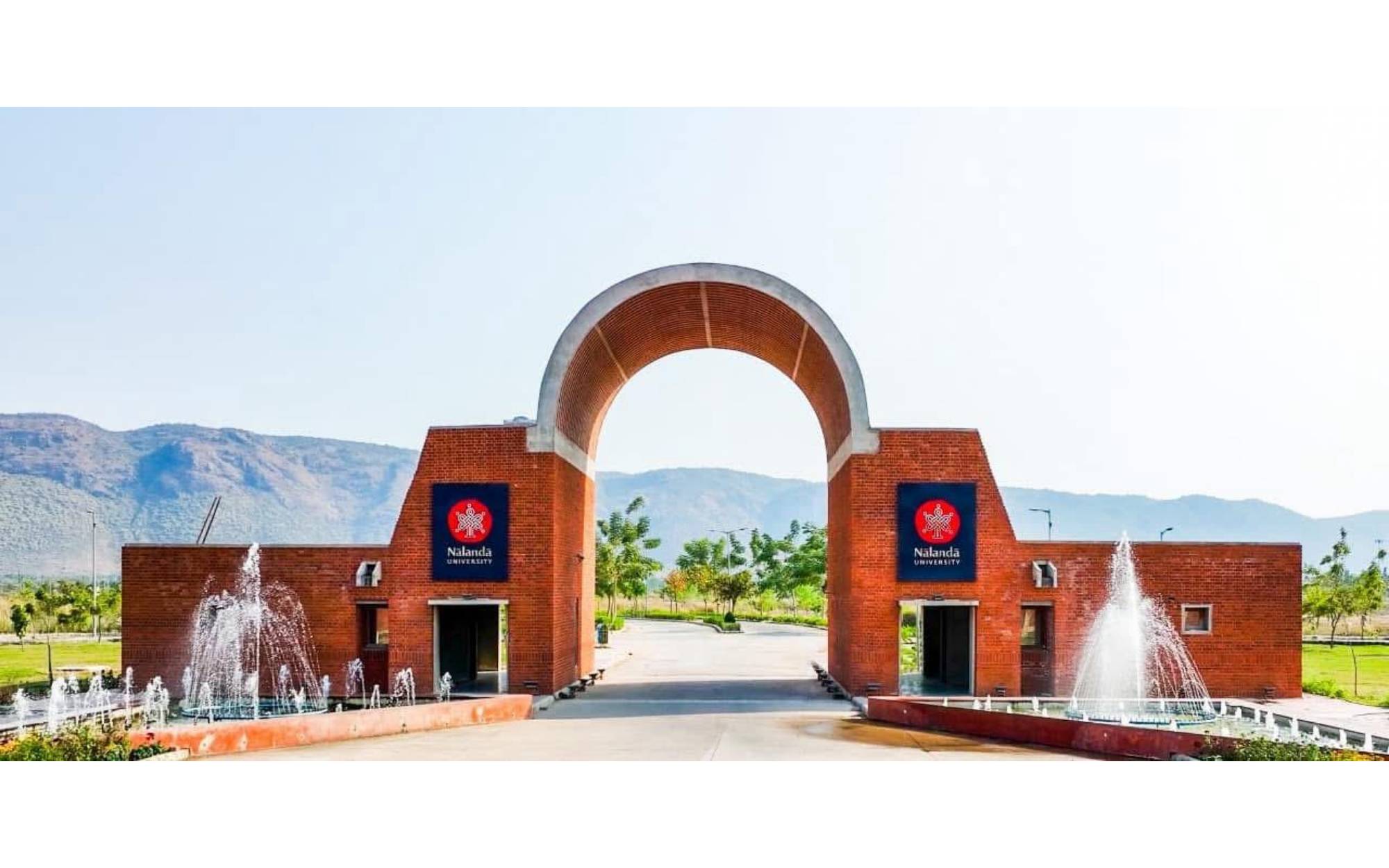
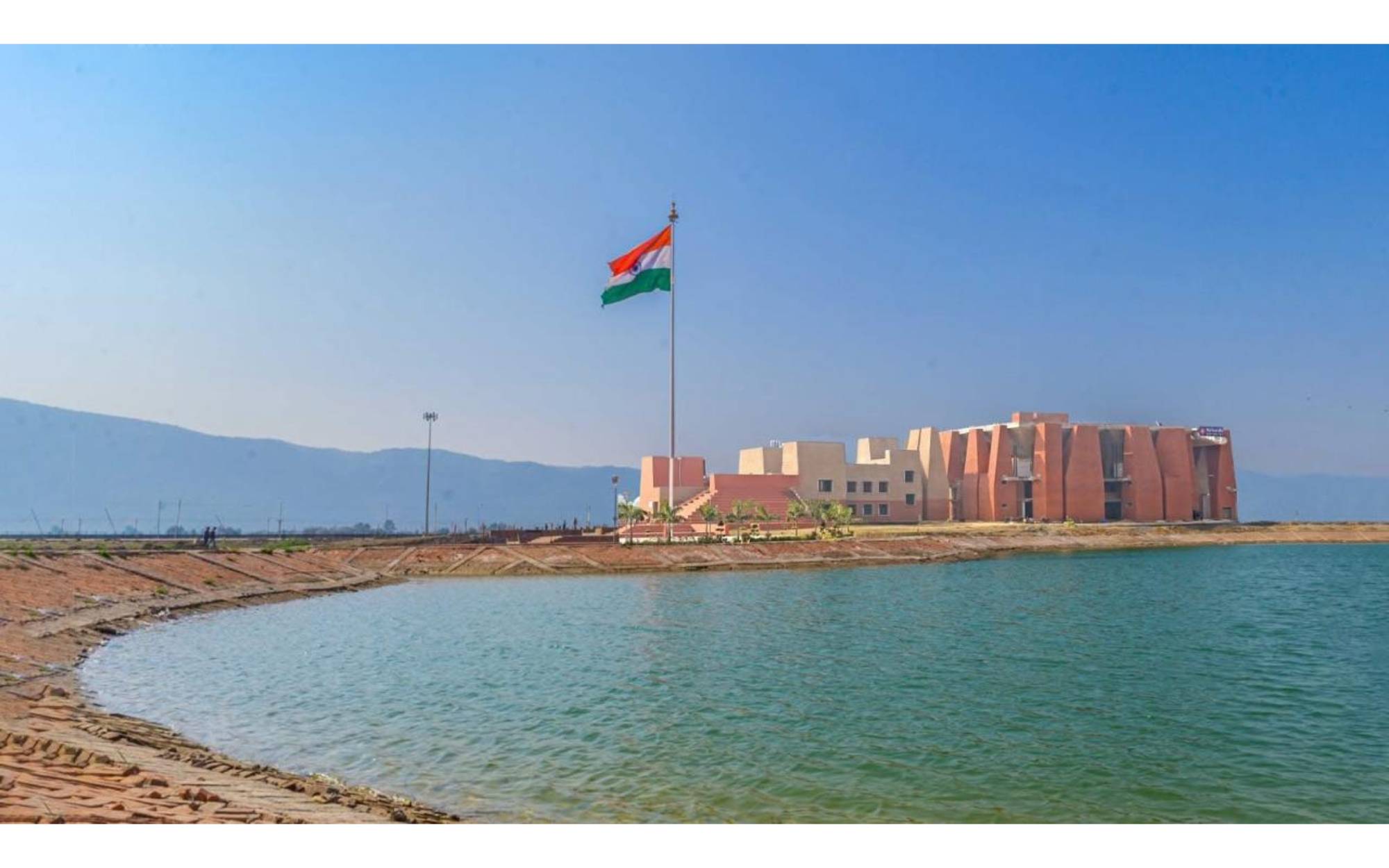
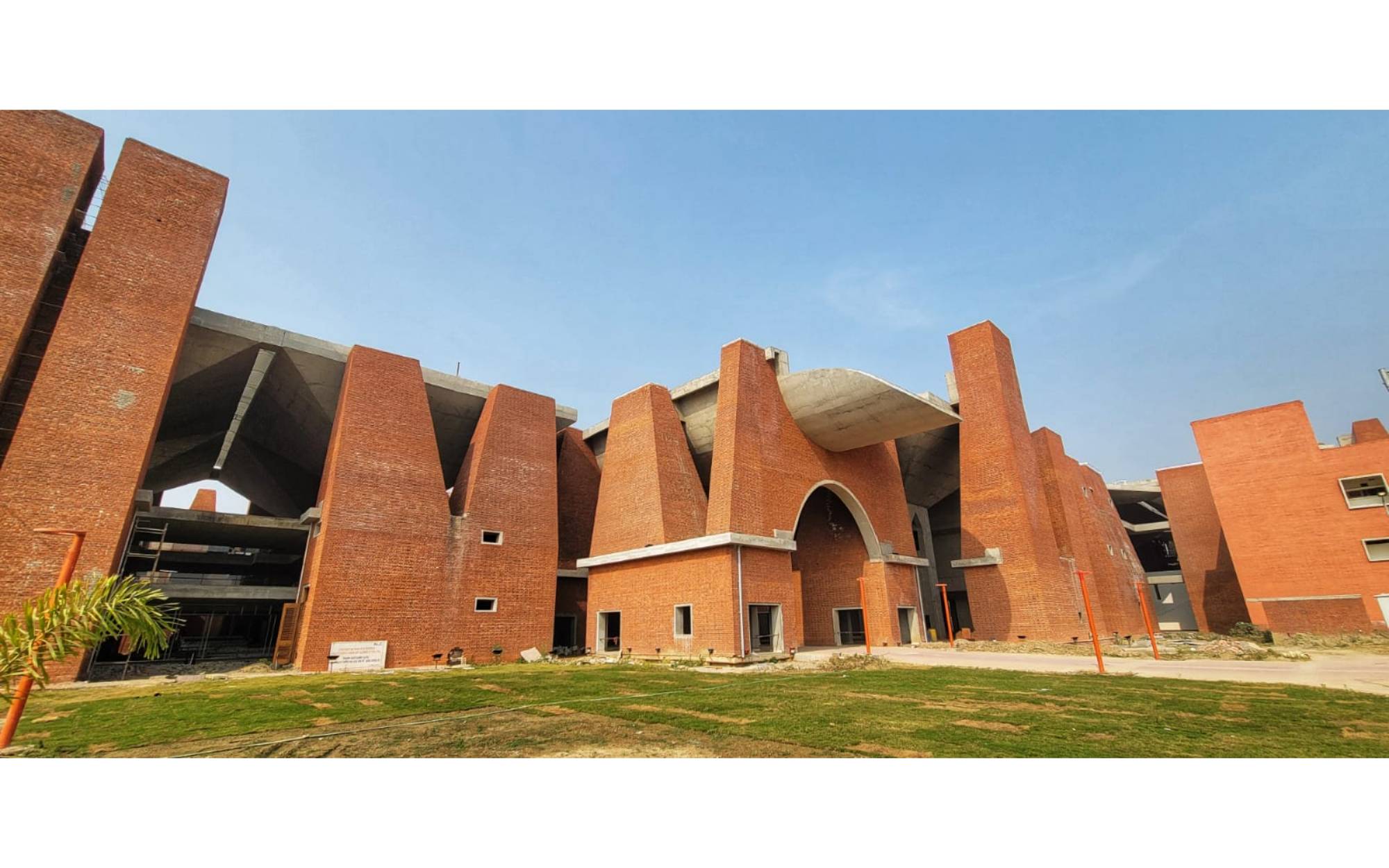
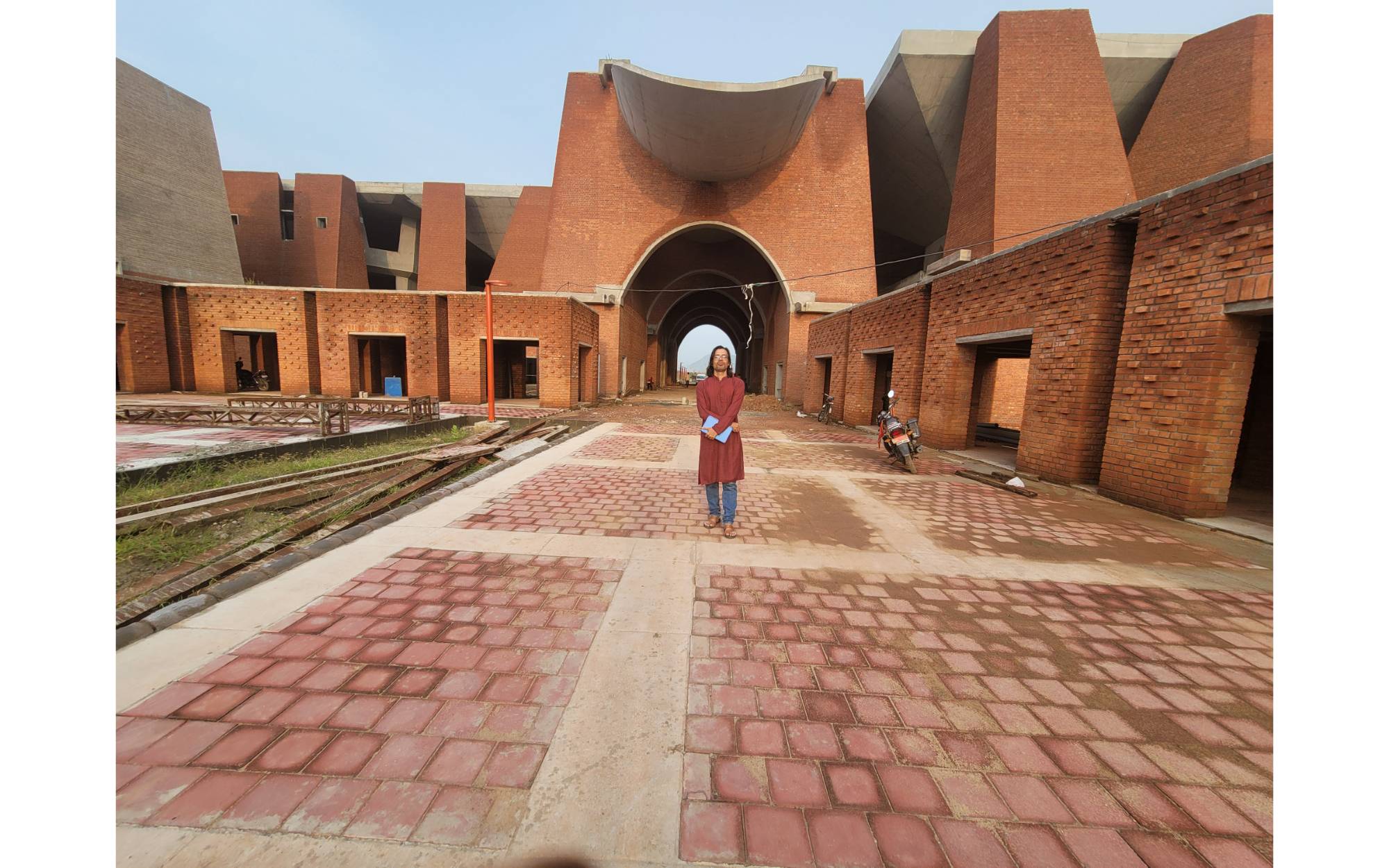






The new campus of Nalanda University in Bihar is a modern revival of one of the world's oldest centers of learning. Located in Rajgir, about 12 kilometers from the ruins of the ancient Nalanda Mahavihara, the new campus aims to blend historical legacy with modern sustainability and global academic standards. The new campus of Nalanda University is not just a physical revival—it’s a cultural and intellectual resurrection of a once-glorious institution. With its sustainable design, international vision, and deep historical roots, it stands as a bold statement of what modern Indian higher education can aspire to be: inclusive, global, and grounded in wisdom.
Nalanda University, originally established in the 5th century CE, was one of the world’s earliest and most prestigious residential universities. Located in the ancient kingdom of Magadha (modern-day Bihar), it attracted students and scholars from across Asia until its destruction in the 12th century .The idea to revive Nalanda as a modern institution emerged in the early 21st century. The goal was to honor and revive the legacy of the ancient university while creating a global center for higher education in the 21st century.
2006: The concept gained international traction during the East Asia Summit (EAS), where the proposal to re-establish Nalanda University was endorsed. The initiative was spearheaded by the Government of India with support from other EAS member countries.
2007–2010: Key figures like Dr. A.P.J. Abdul Kalam (former President of India) and Amartya Sen (economist and Nobel laureate) became vocal advocates. The Government of Bihar provided land and logistical support.
2010: The Nalanda University Act was passed by the Indian Parliament, officially establishing the university as an international institution.
The foundation stone was laid in 2010.
Construction of the main campus began in 2017.
Phase 1 completed by 2023, with operational facilities for students and faculty.
Inaugurated by Prime Minister Narendra Modi in March 2024, marking its official transition to a fully functional university space.
Revive the spirit of ancient Nalanda, which was a global center for knowledge from the 5th to 12th century CE.
Build a hub for interdisciplinary and international education with a focus on Asian values, sustainability, peace studies, and philosophy.
Promote India’s soft power by attracting students and scholars from around the world.
The Campus: Built for the Future, Inspired by the Past
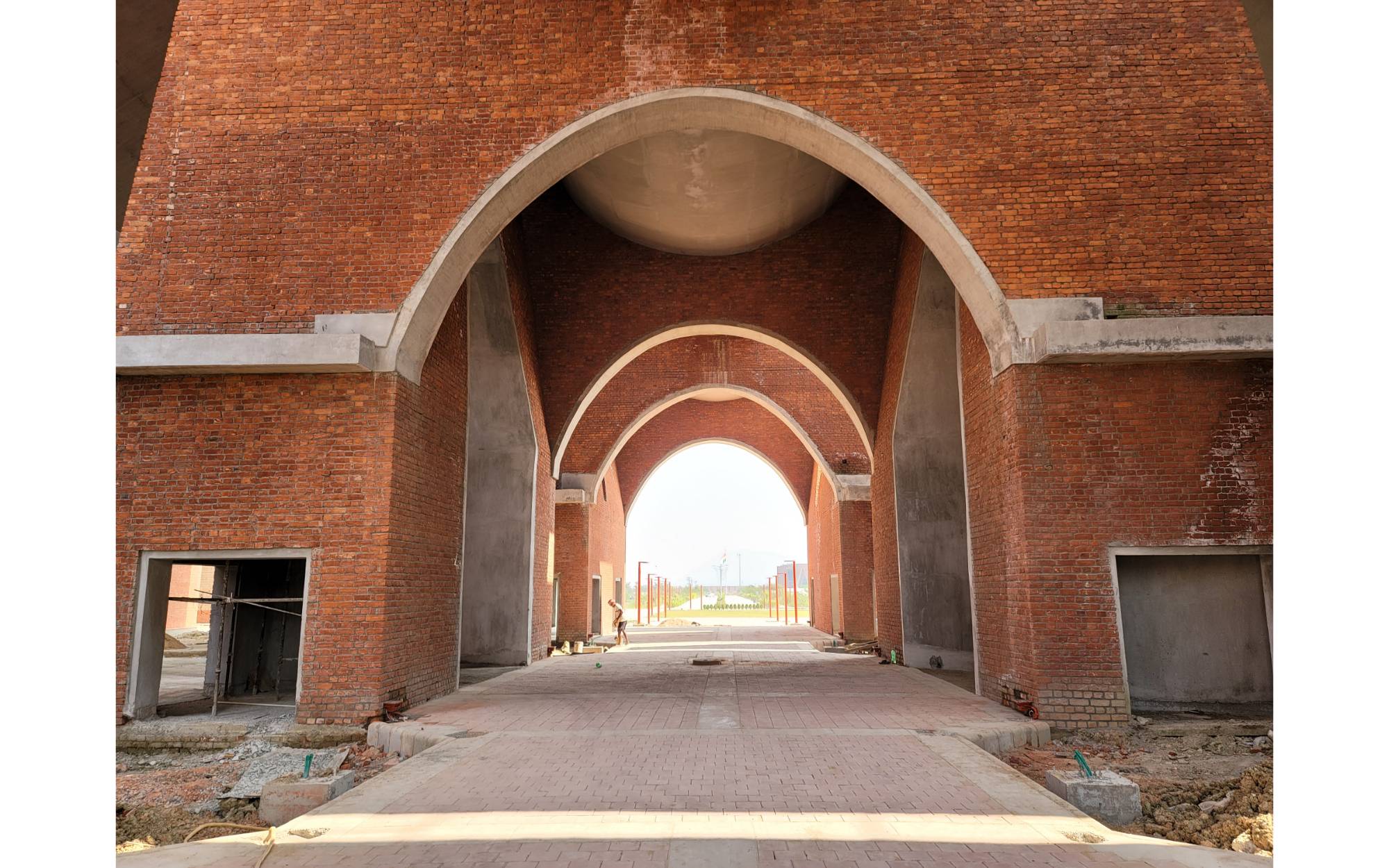
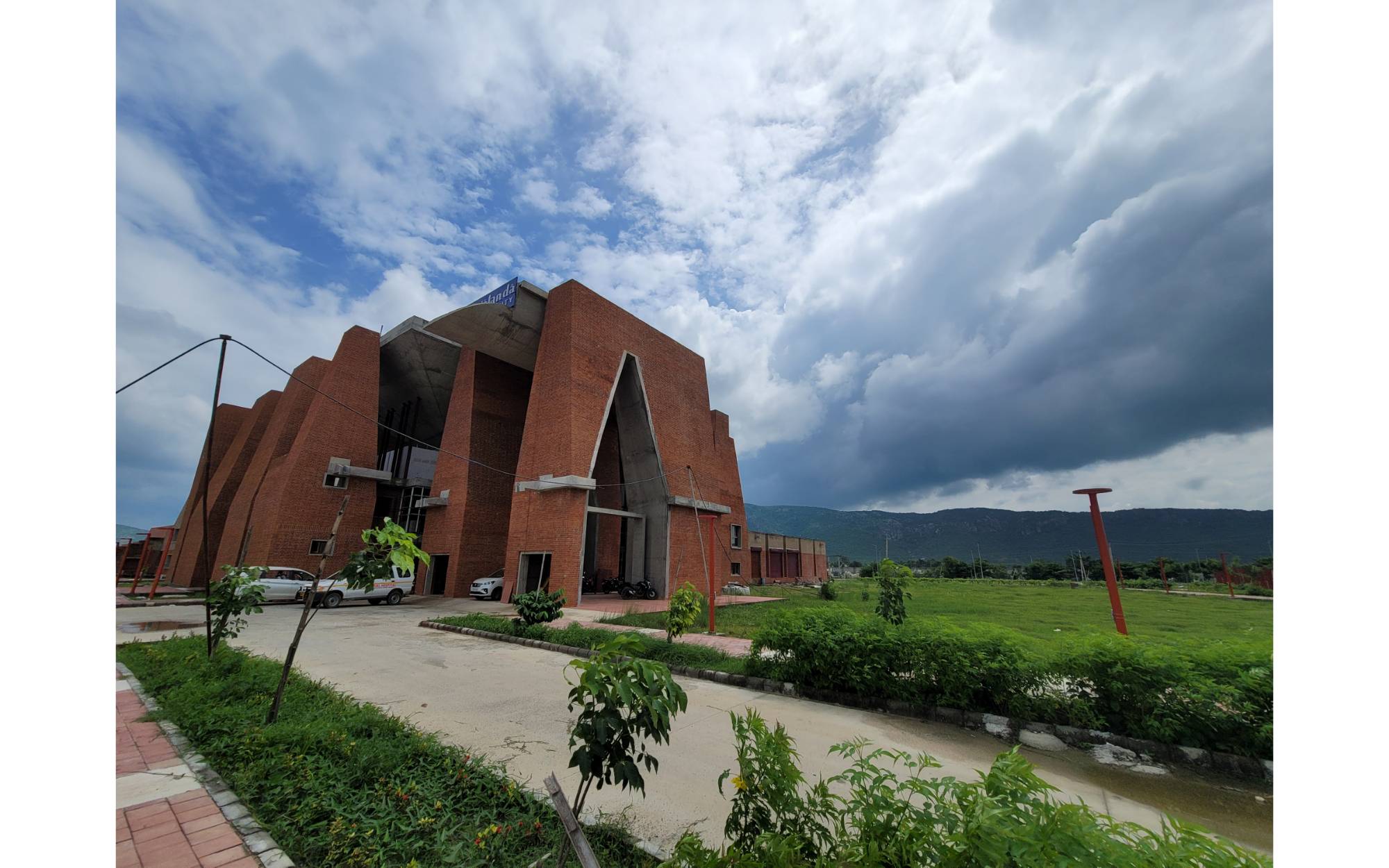
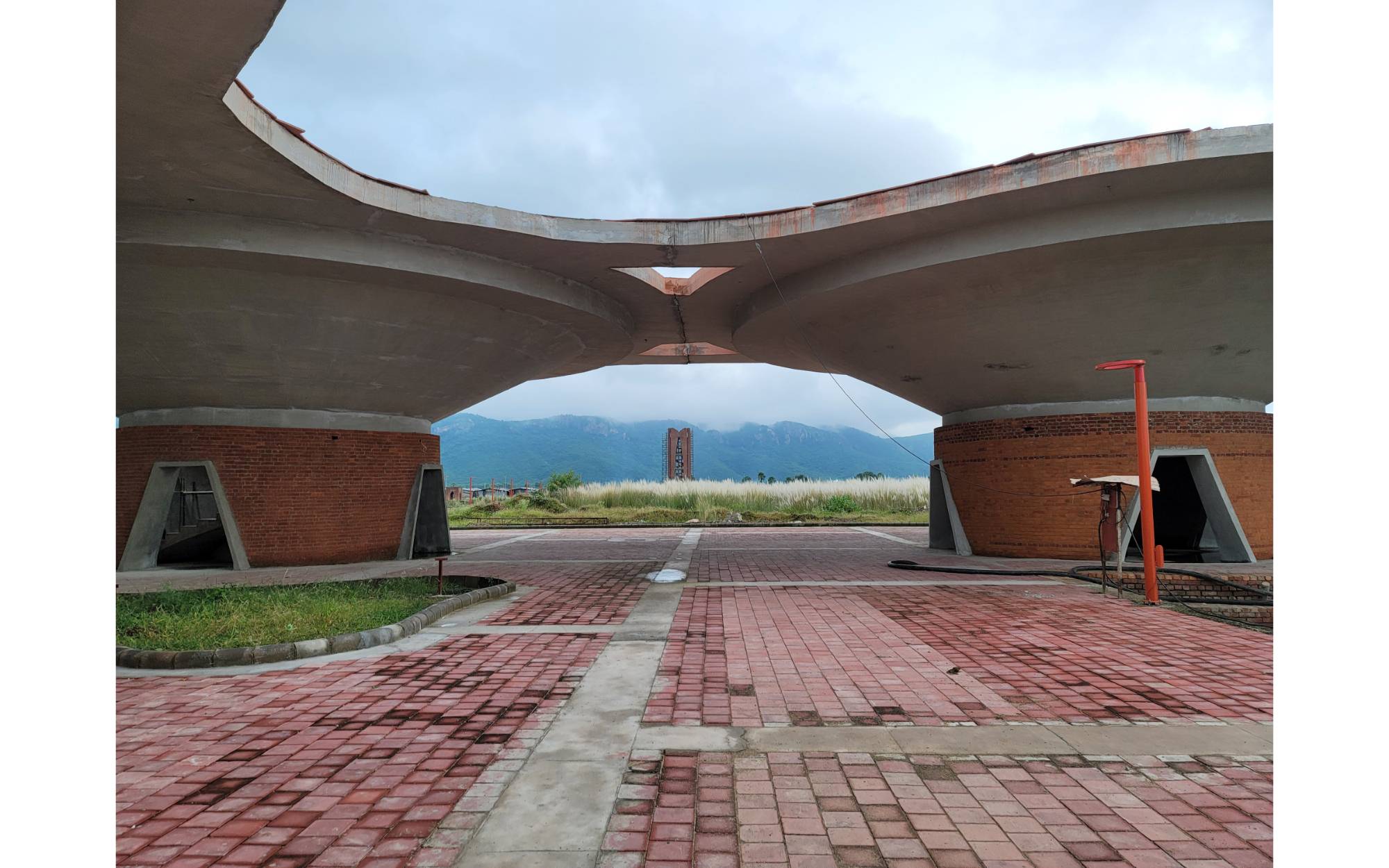
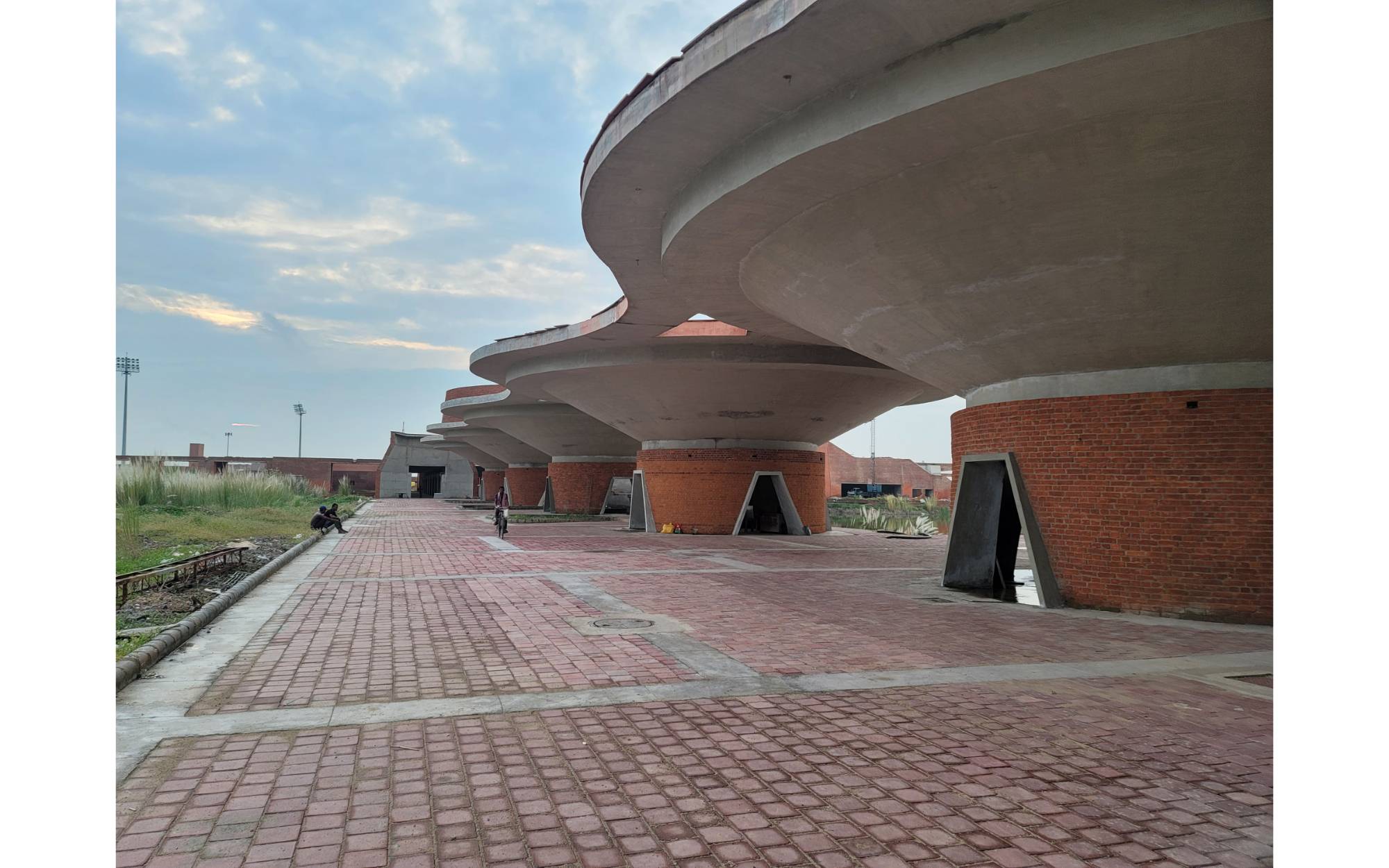
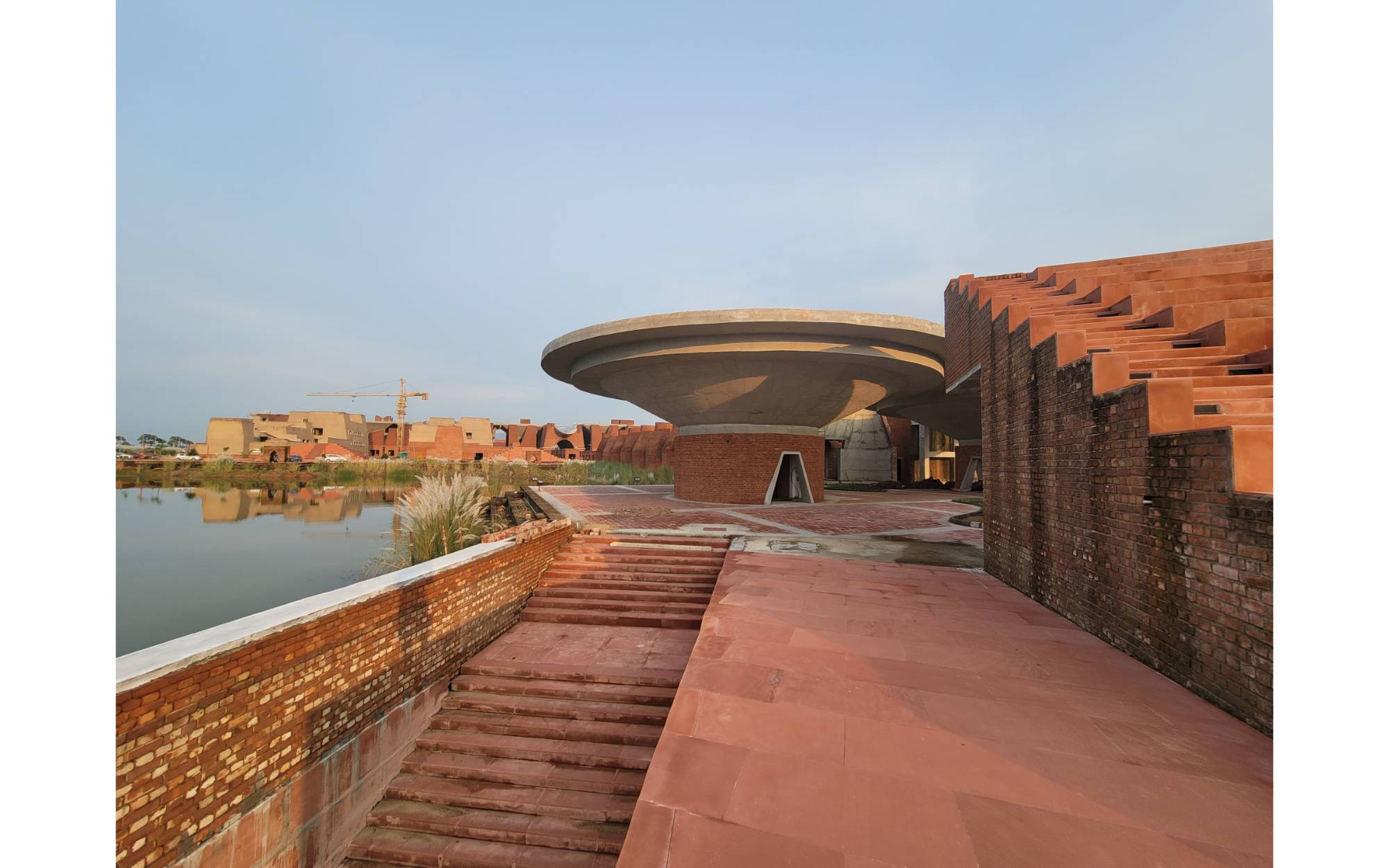
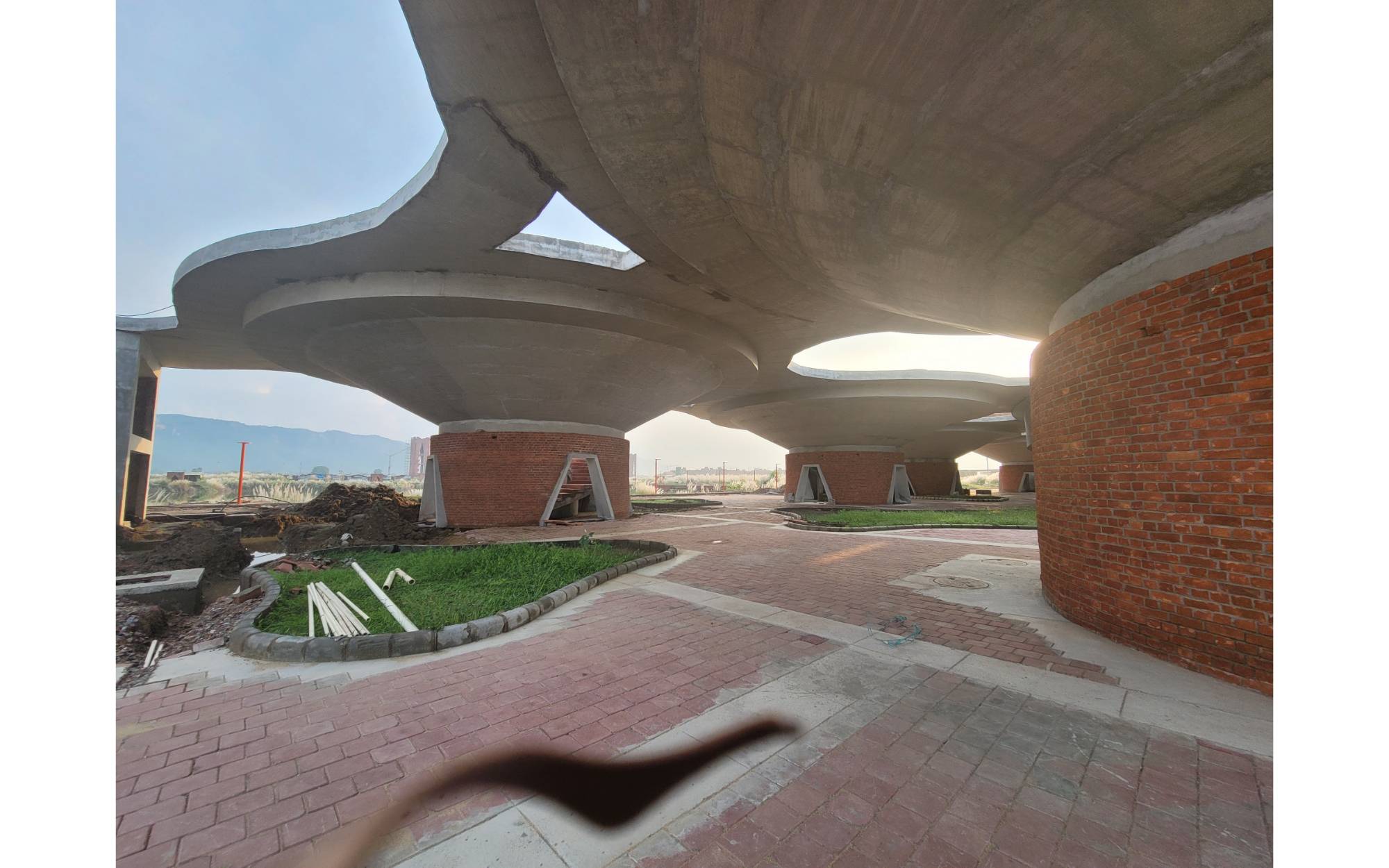
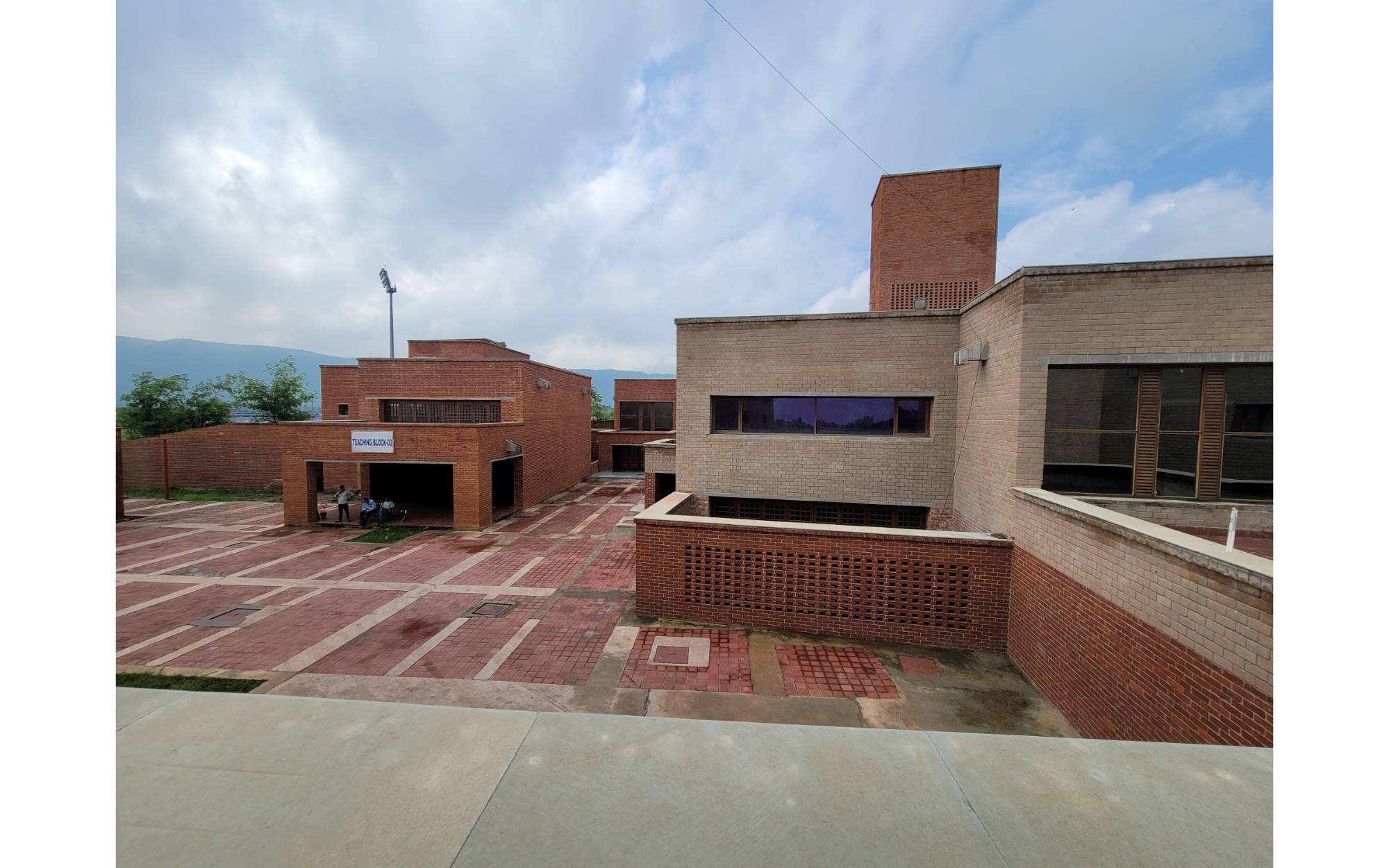
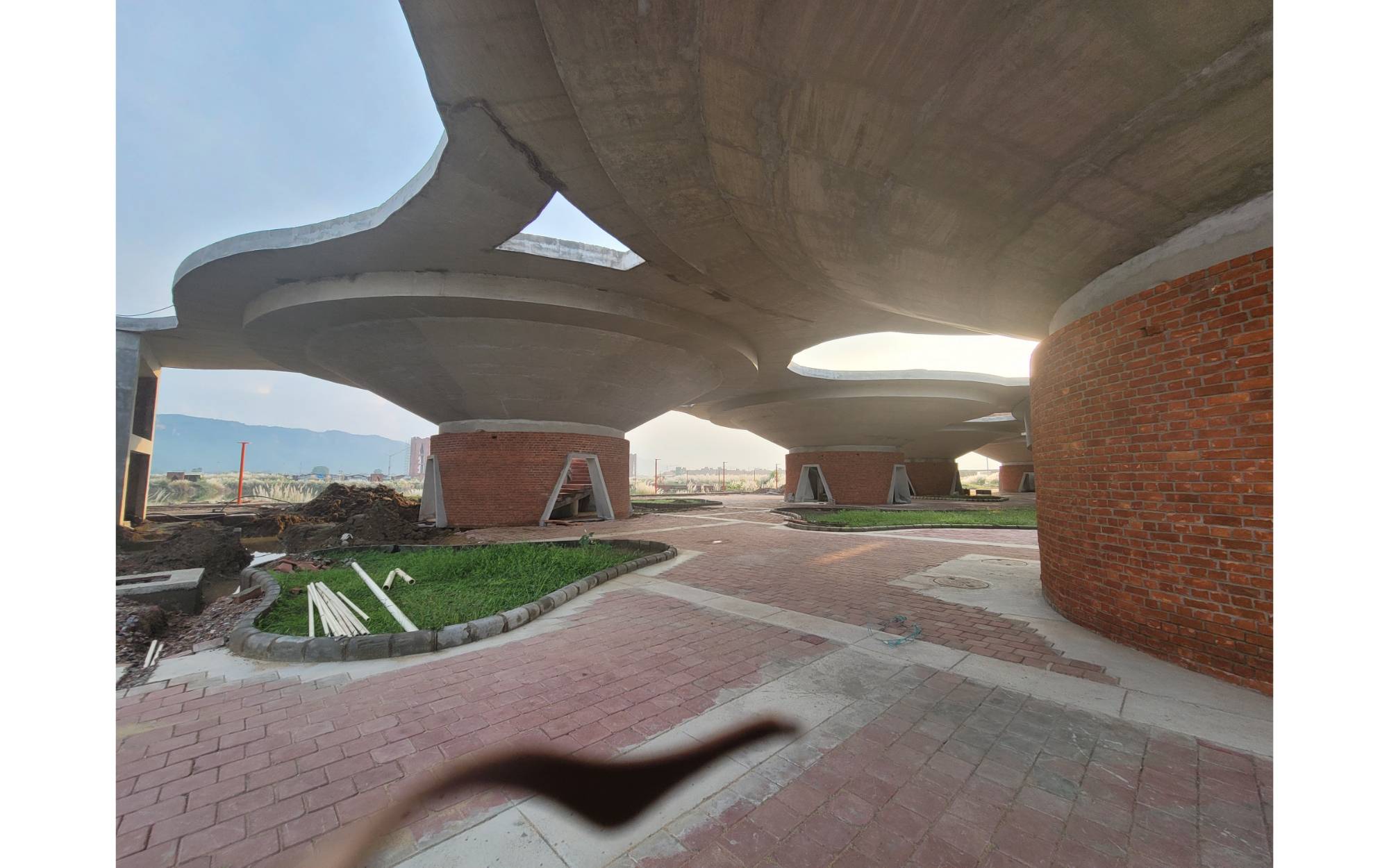
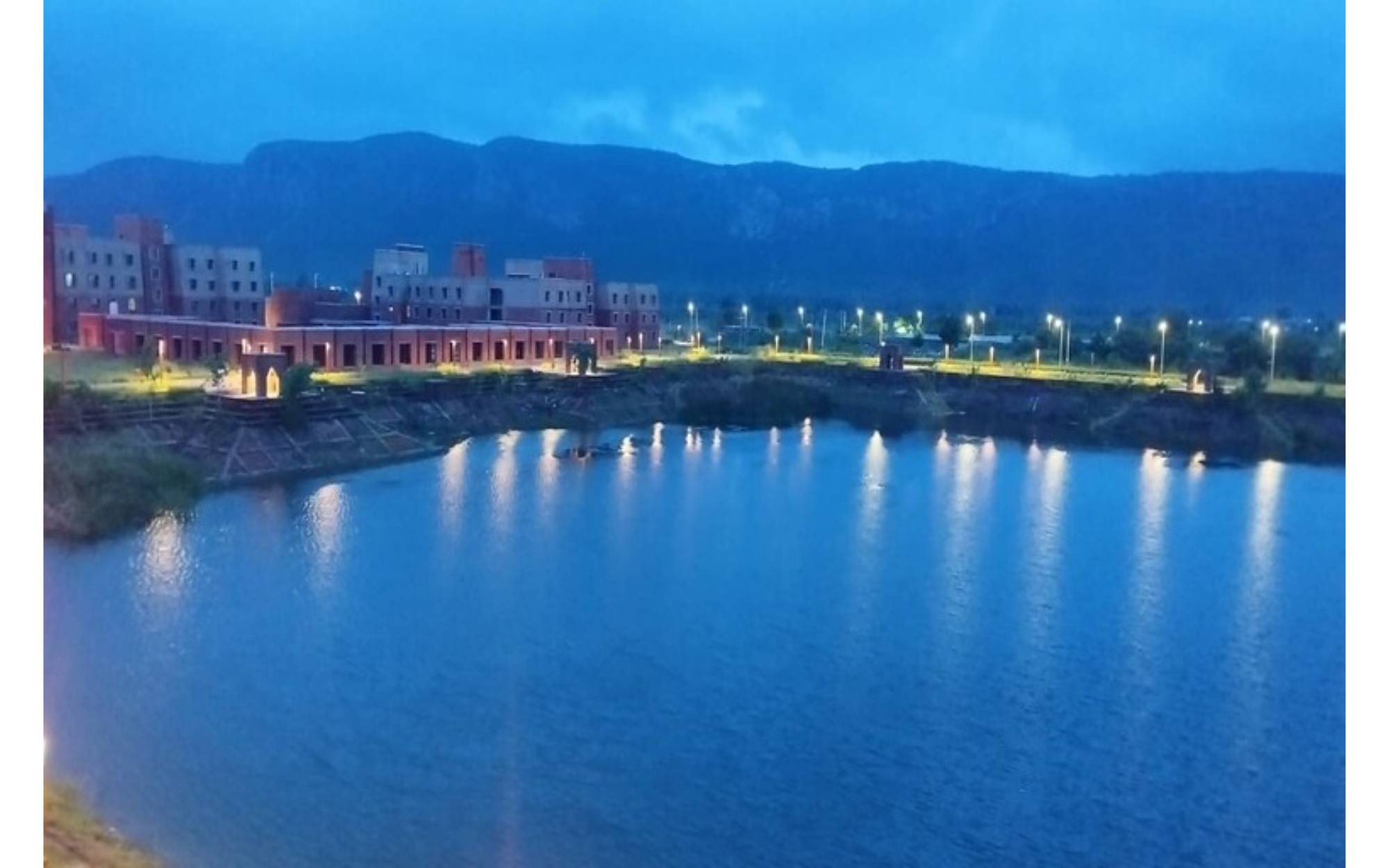
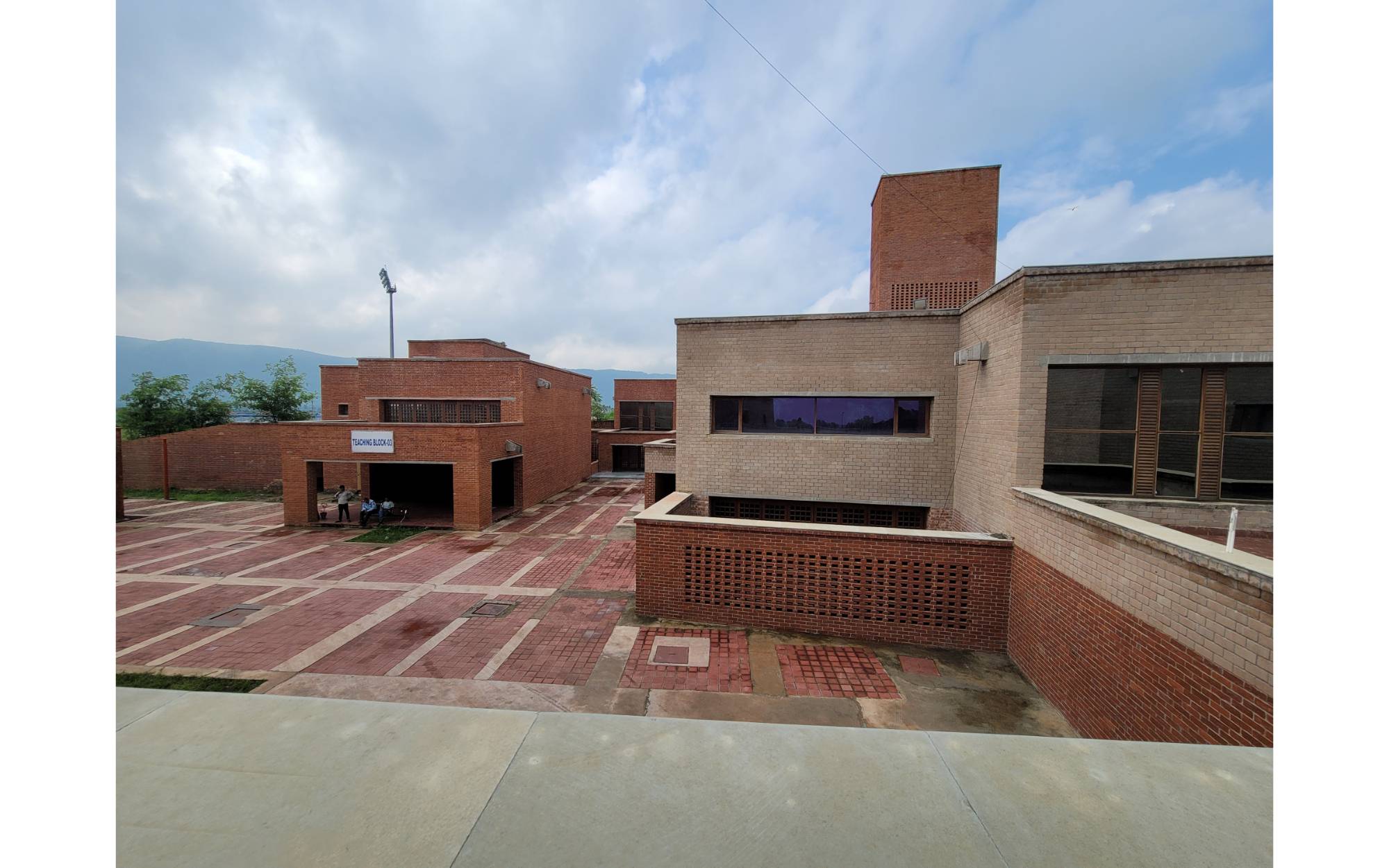
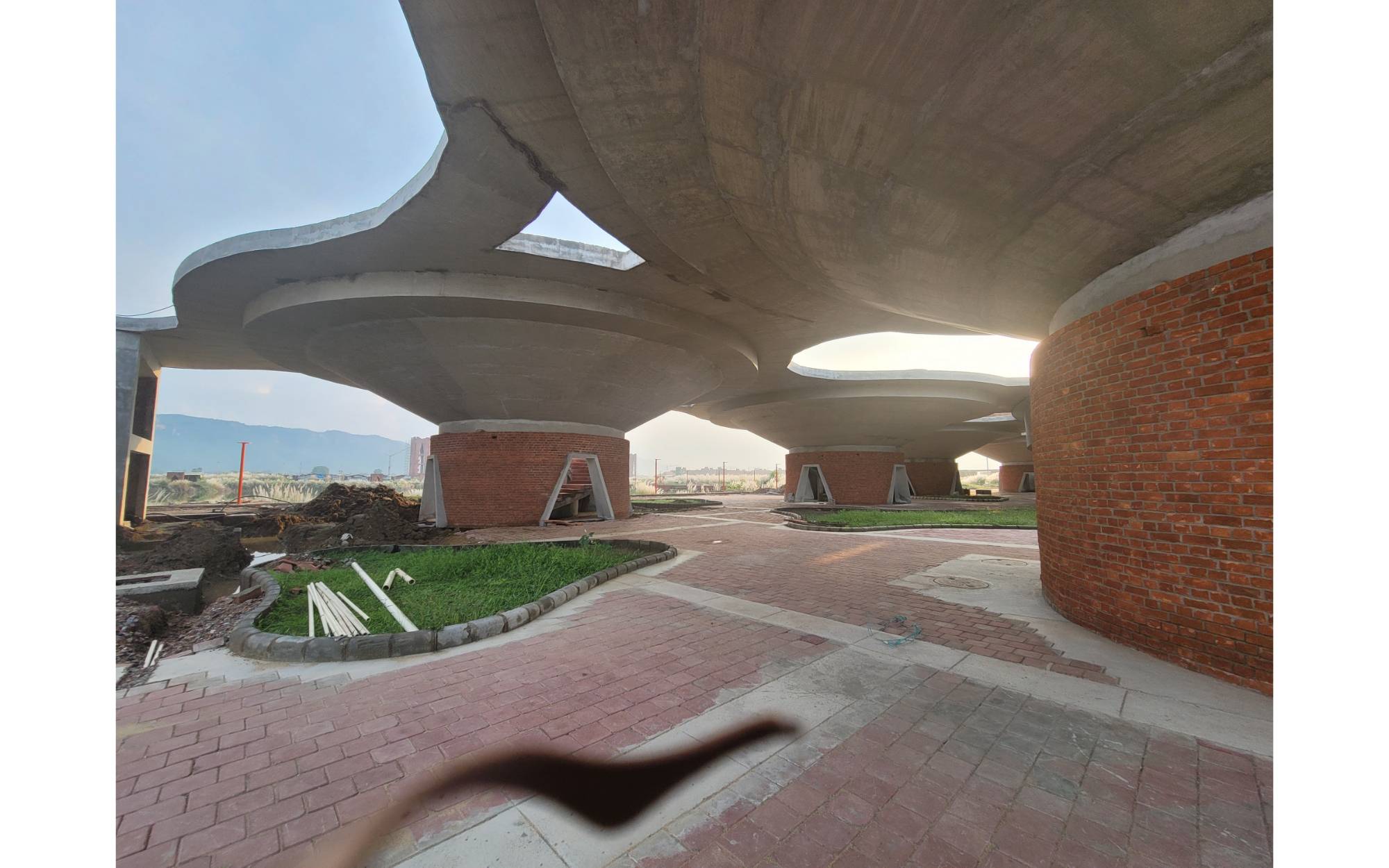
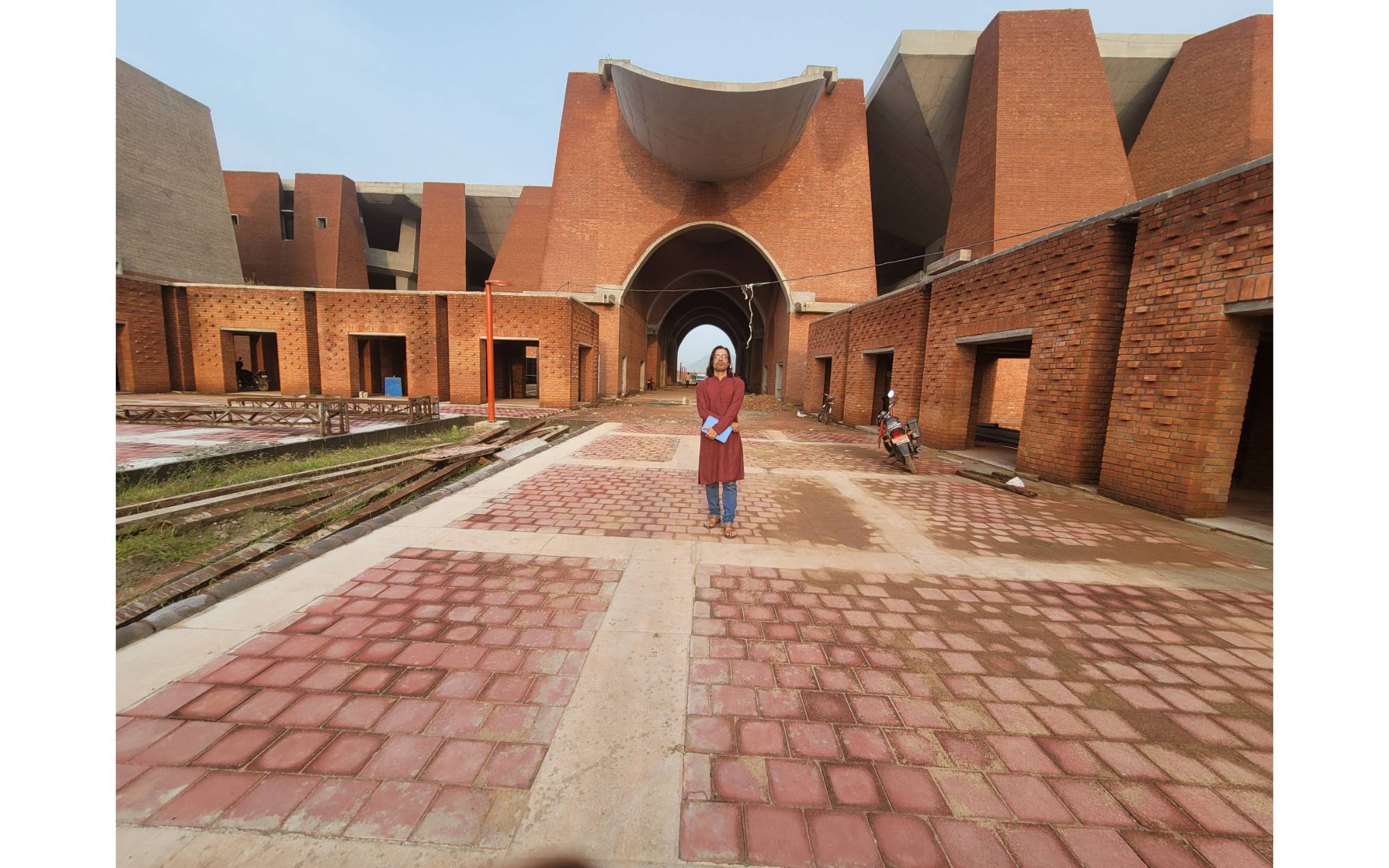
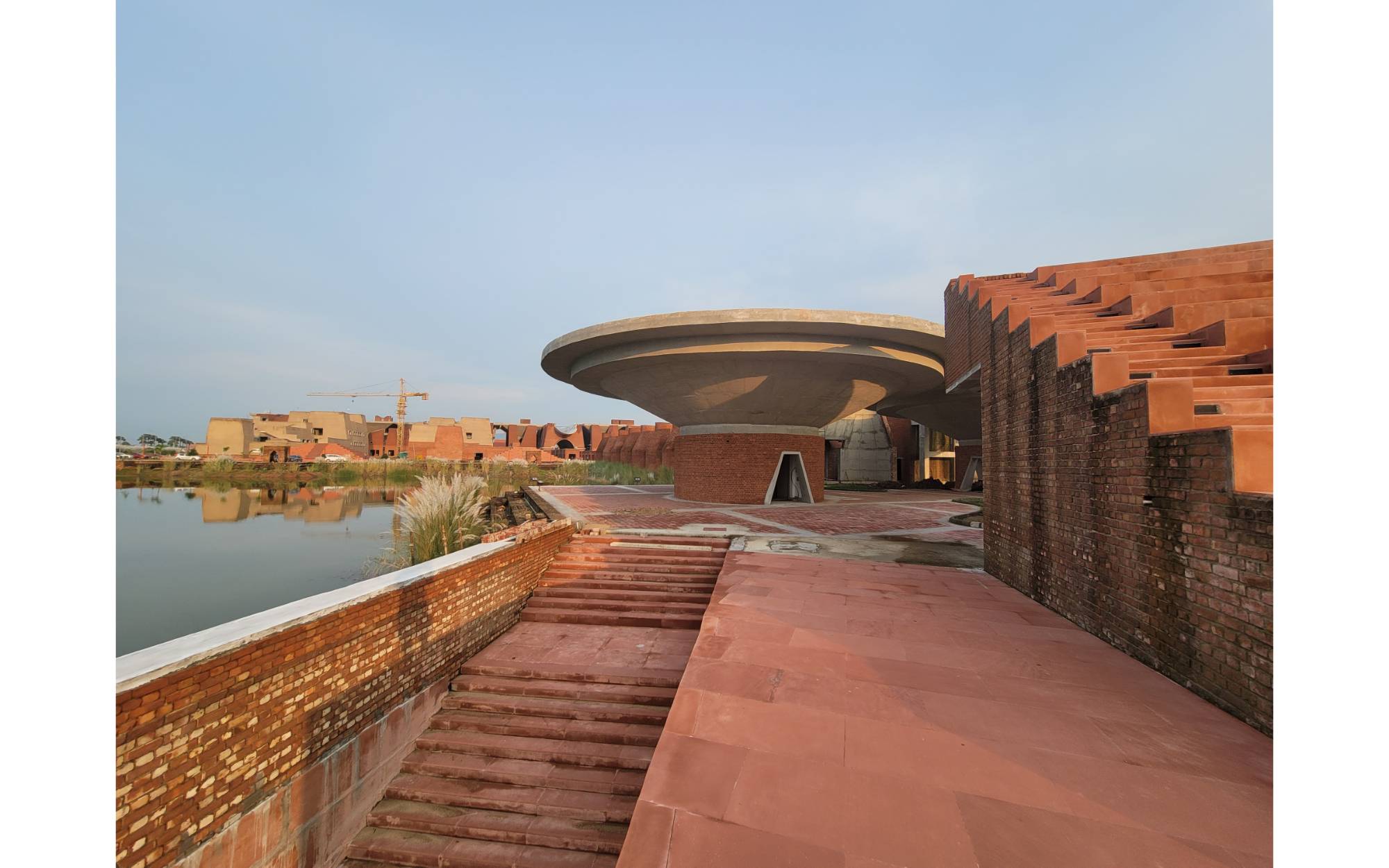
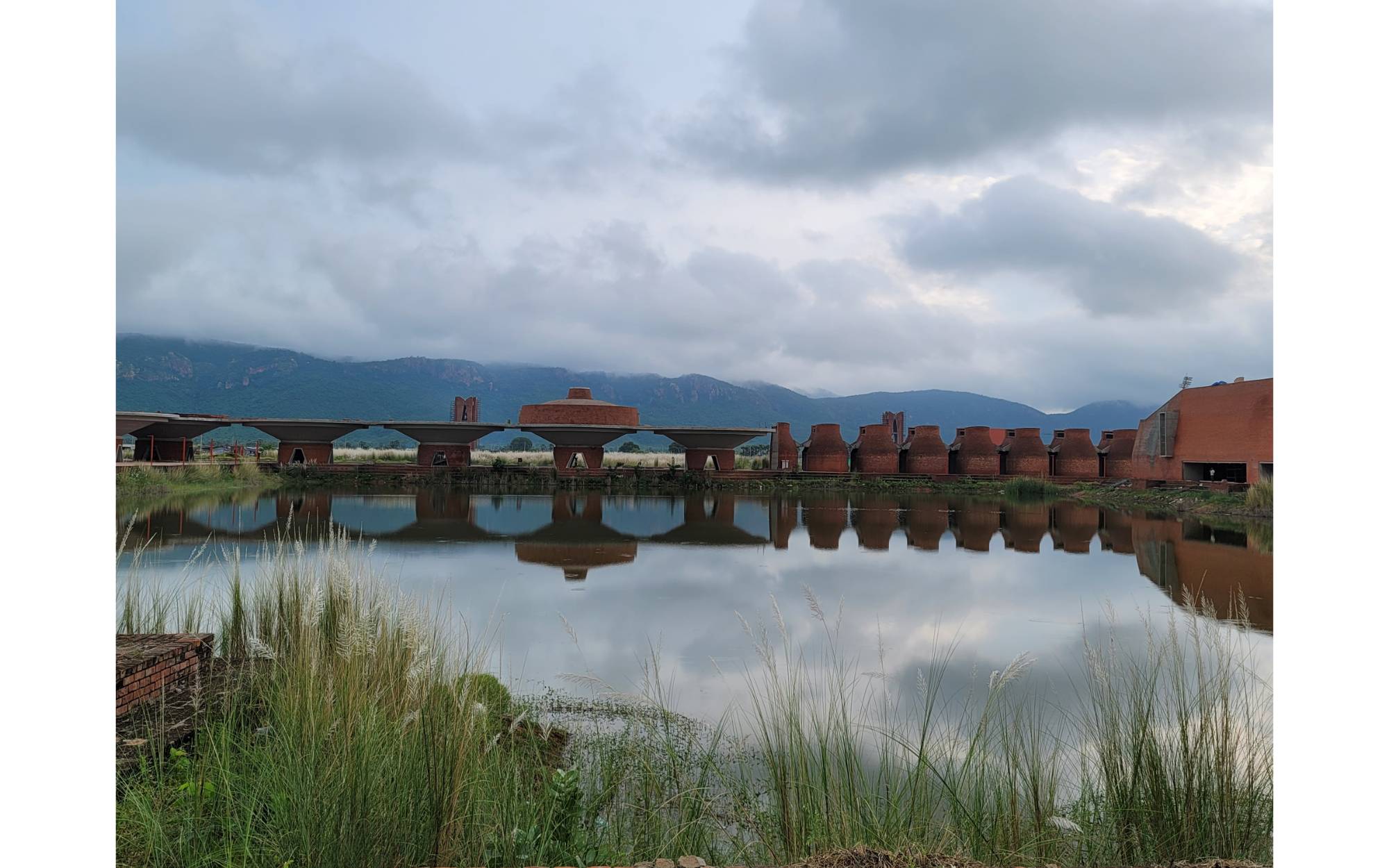
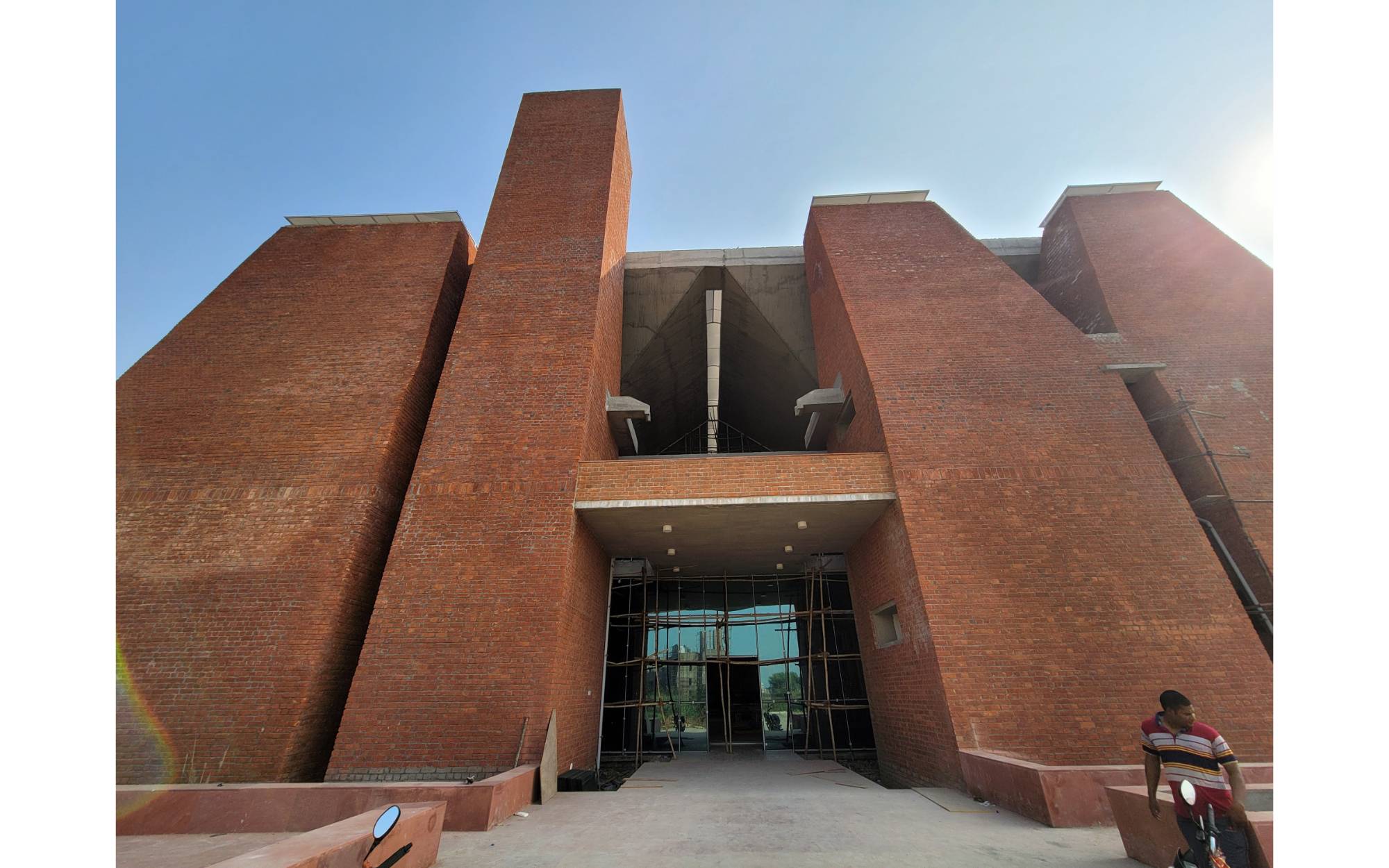
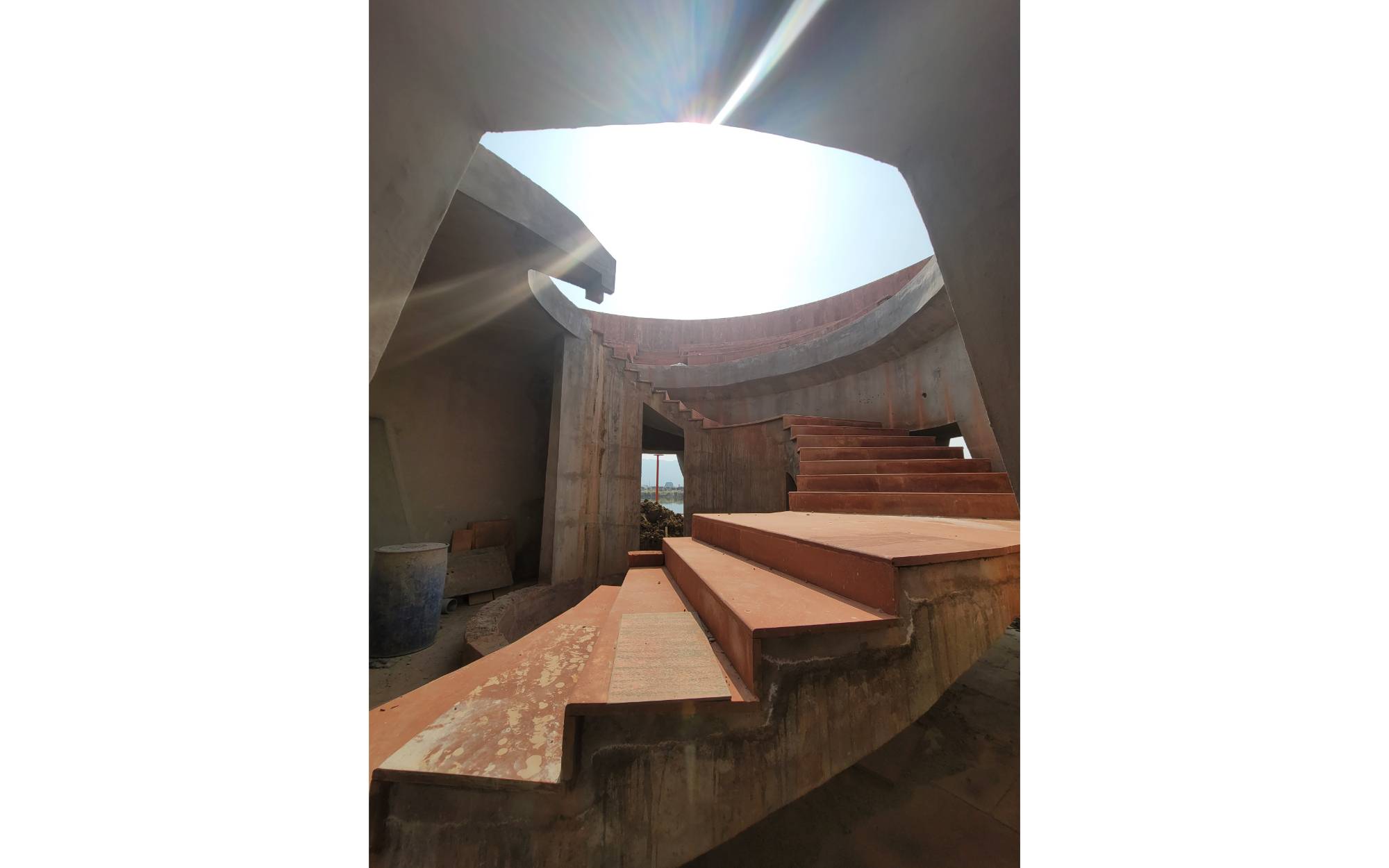
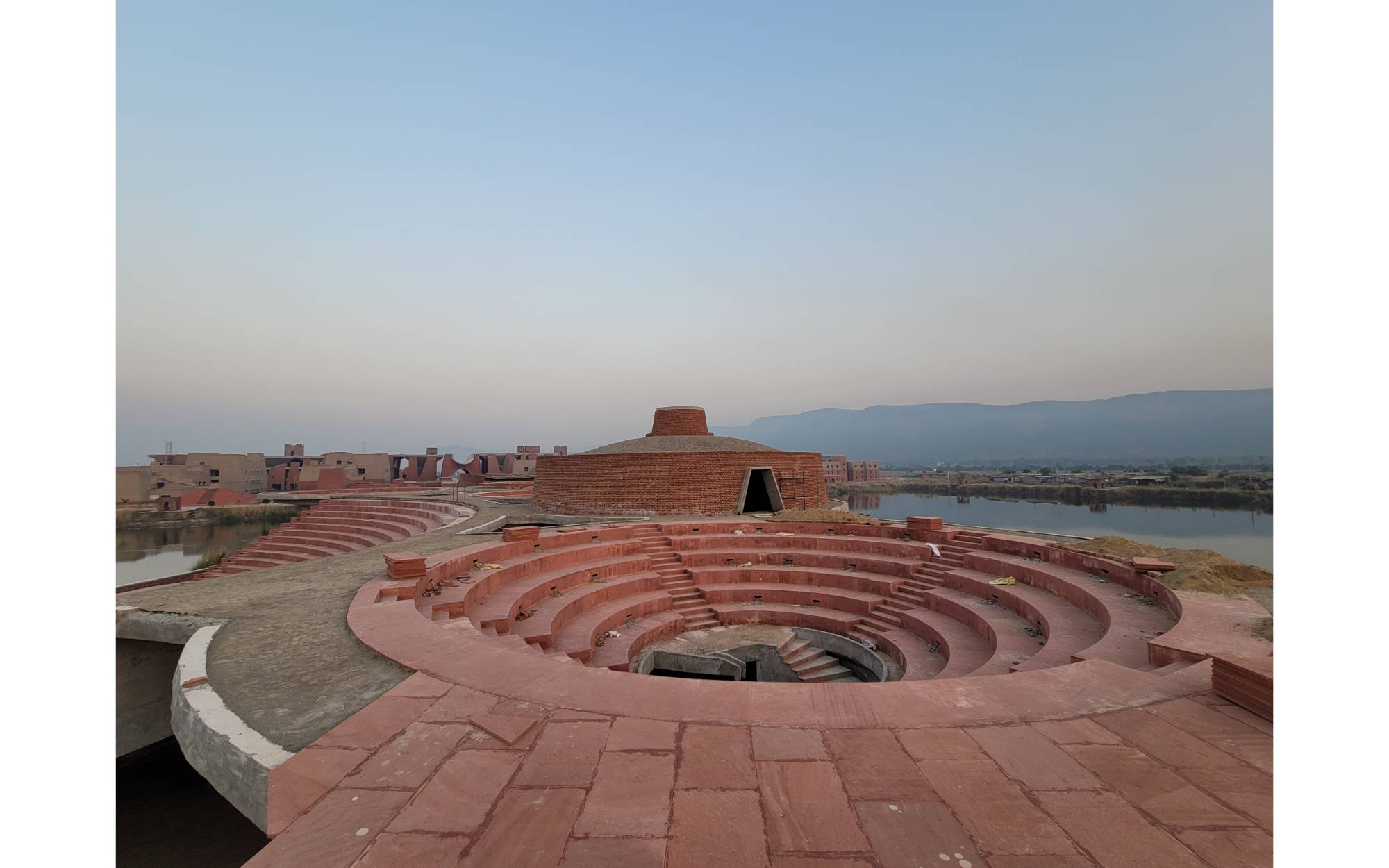
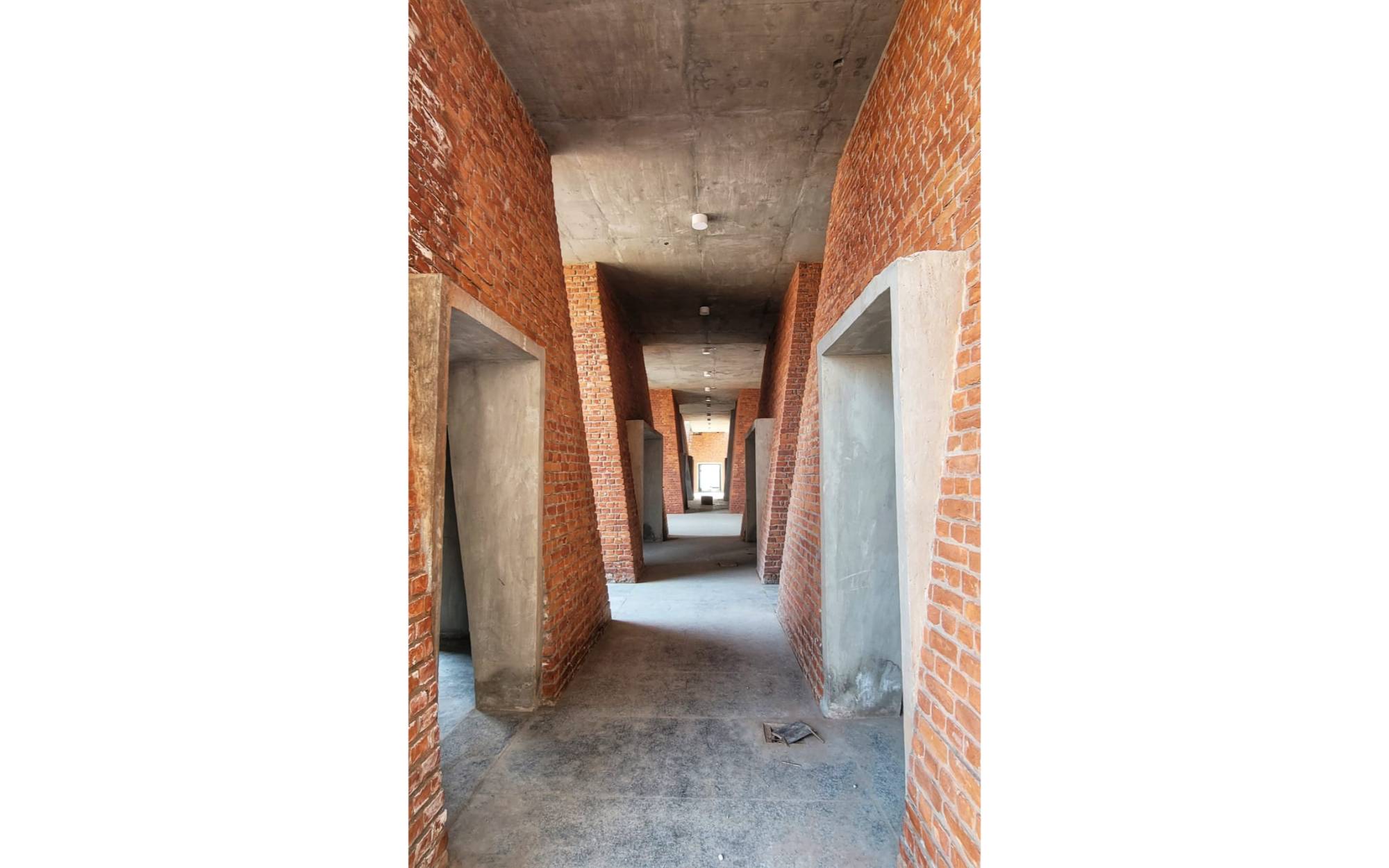
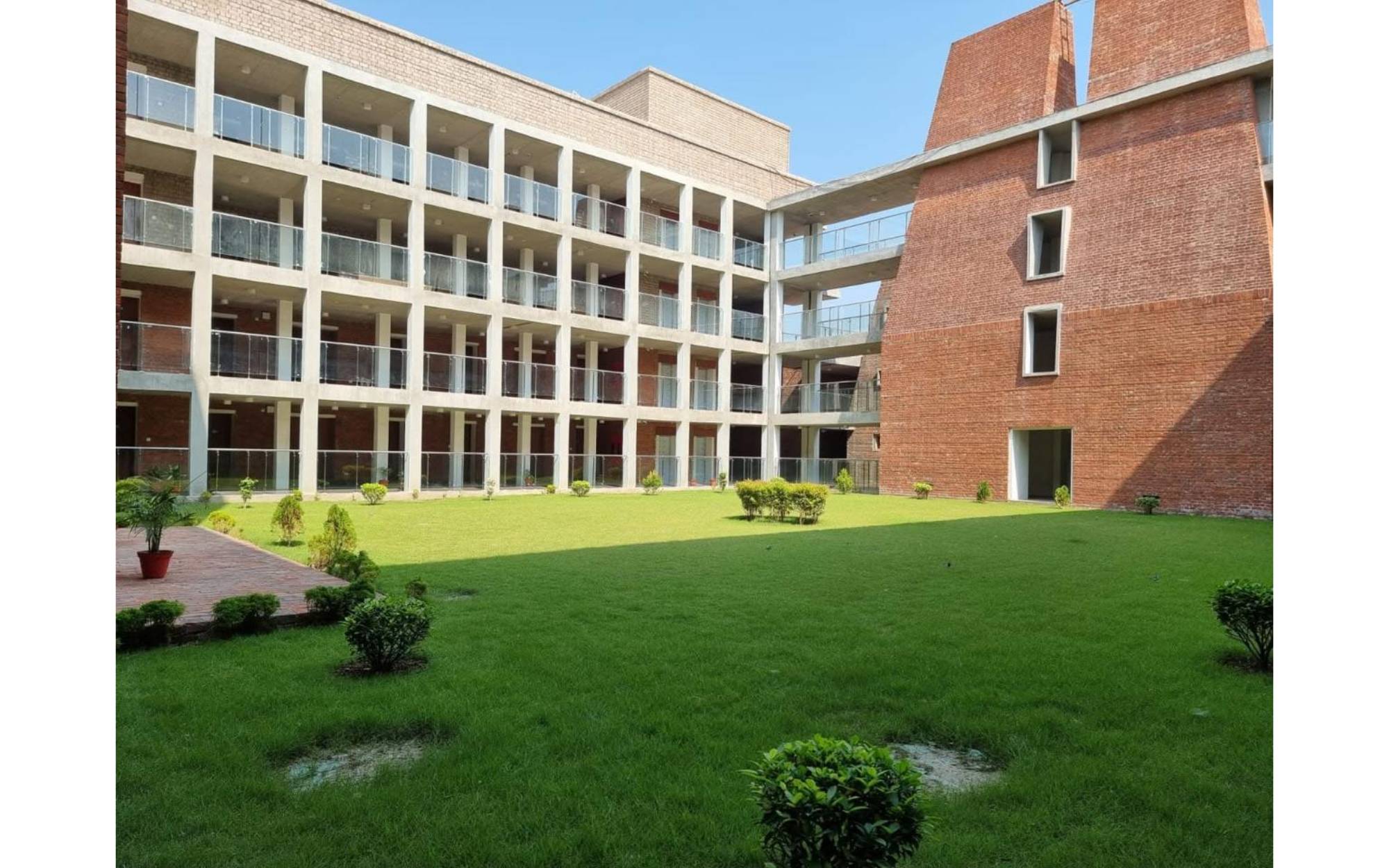
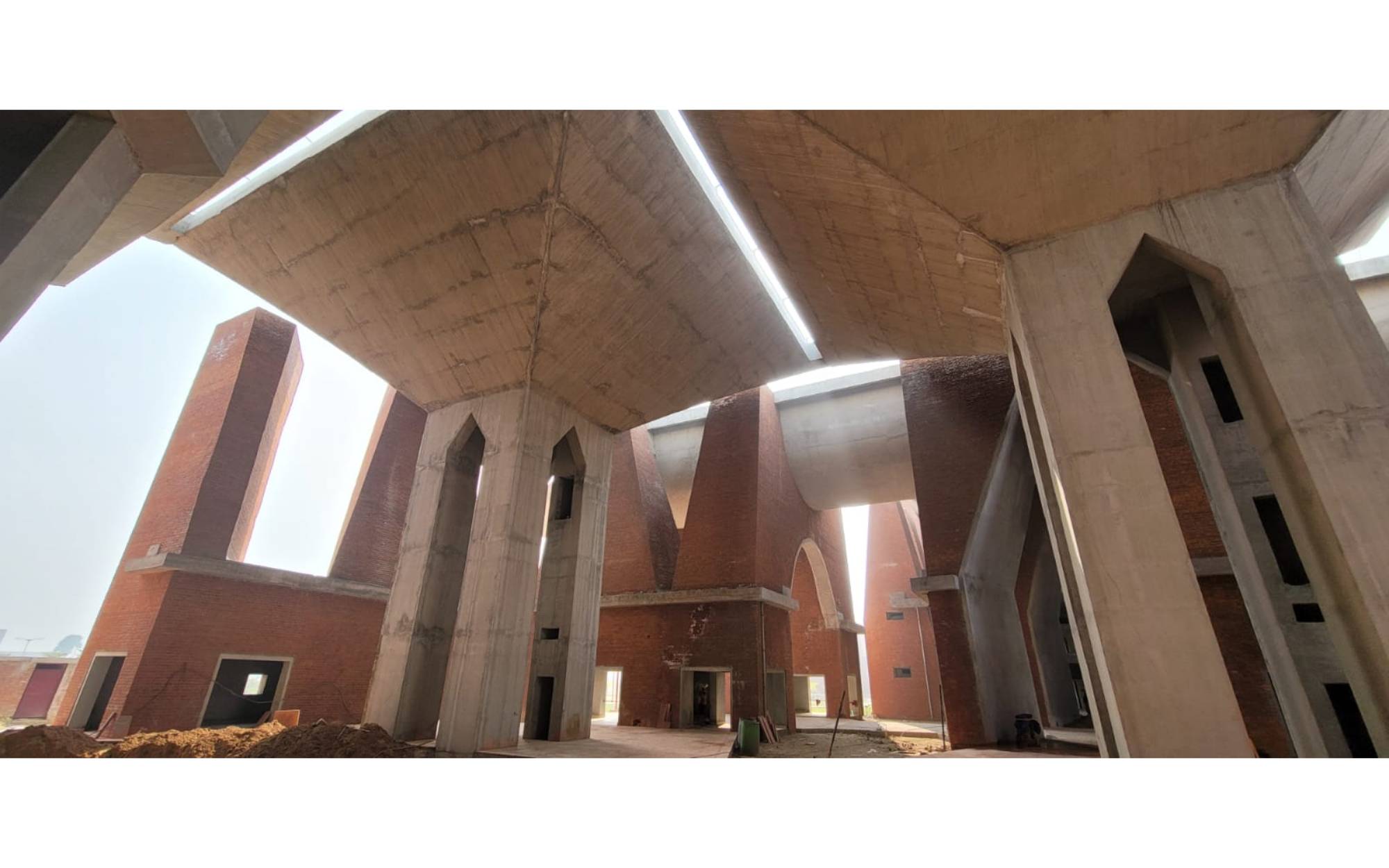
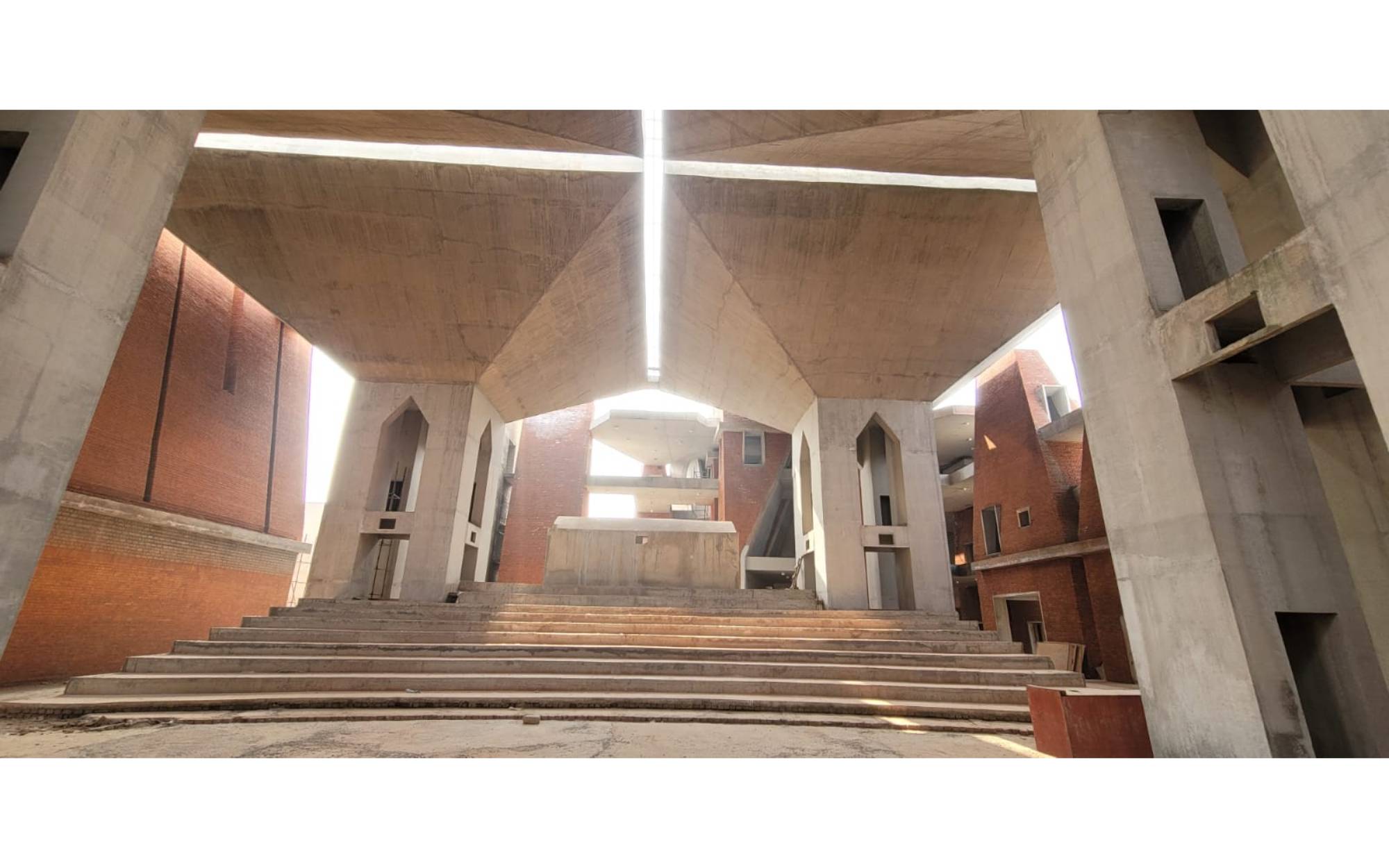
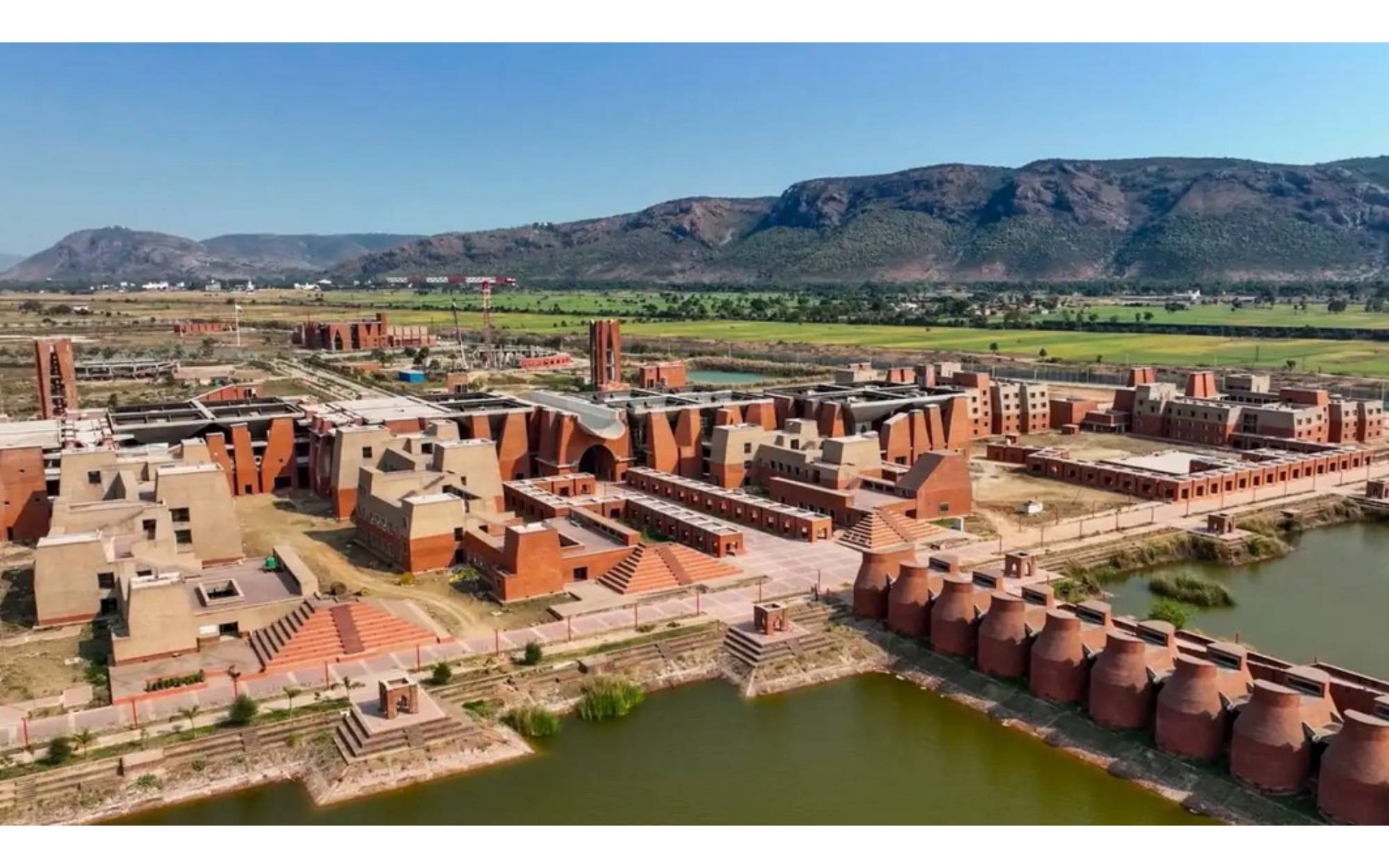
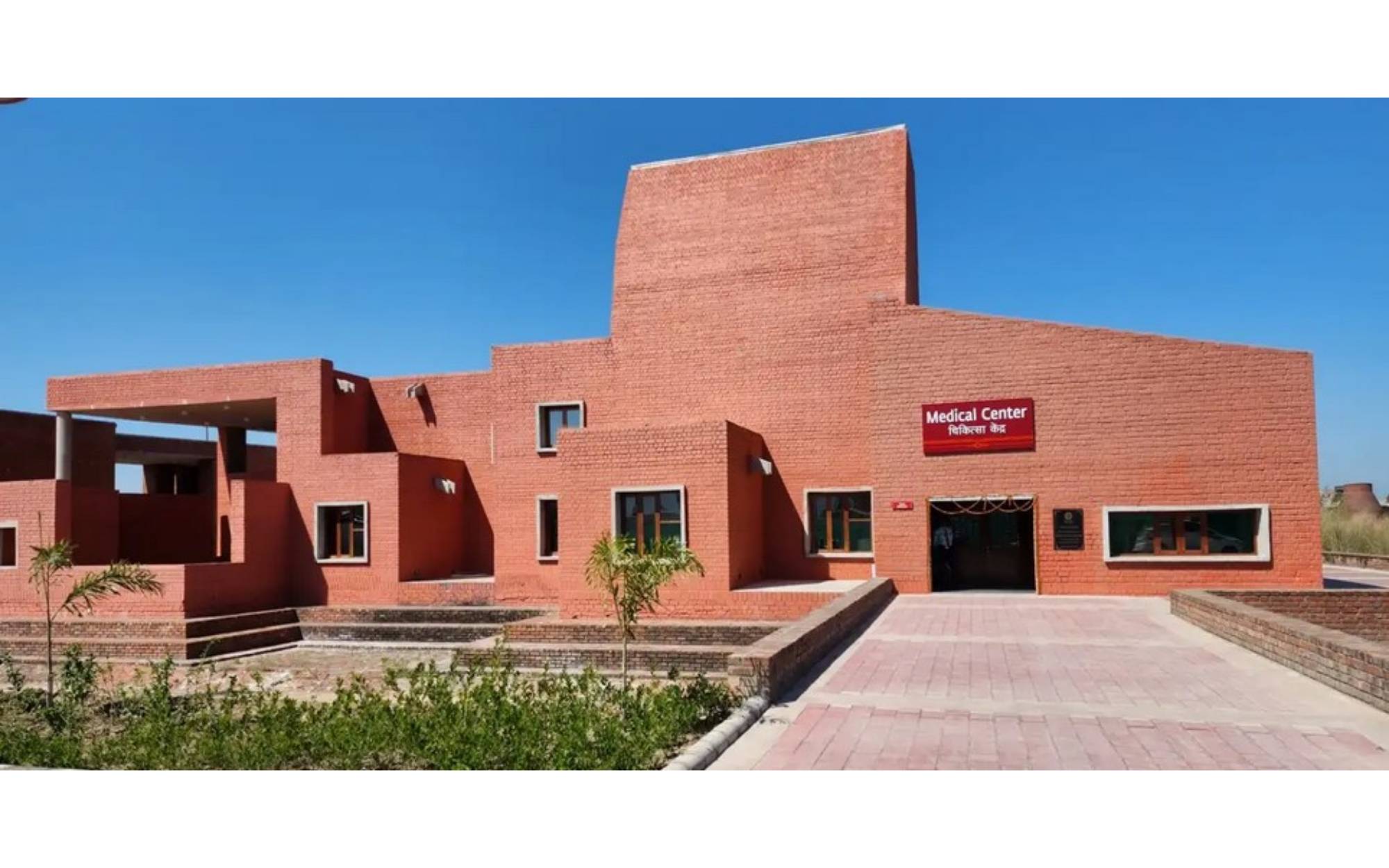
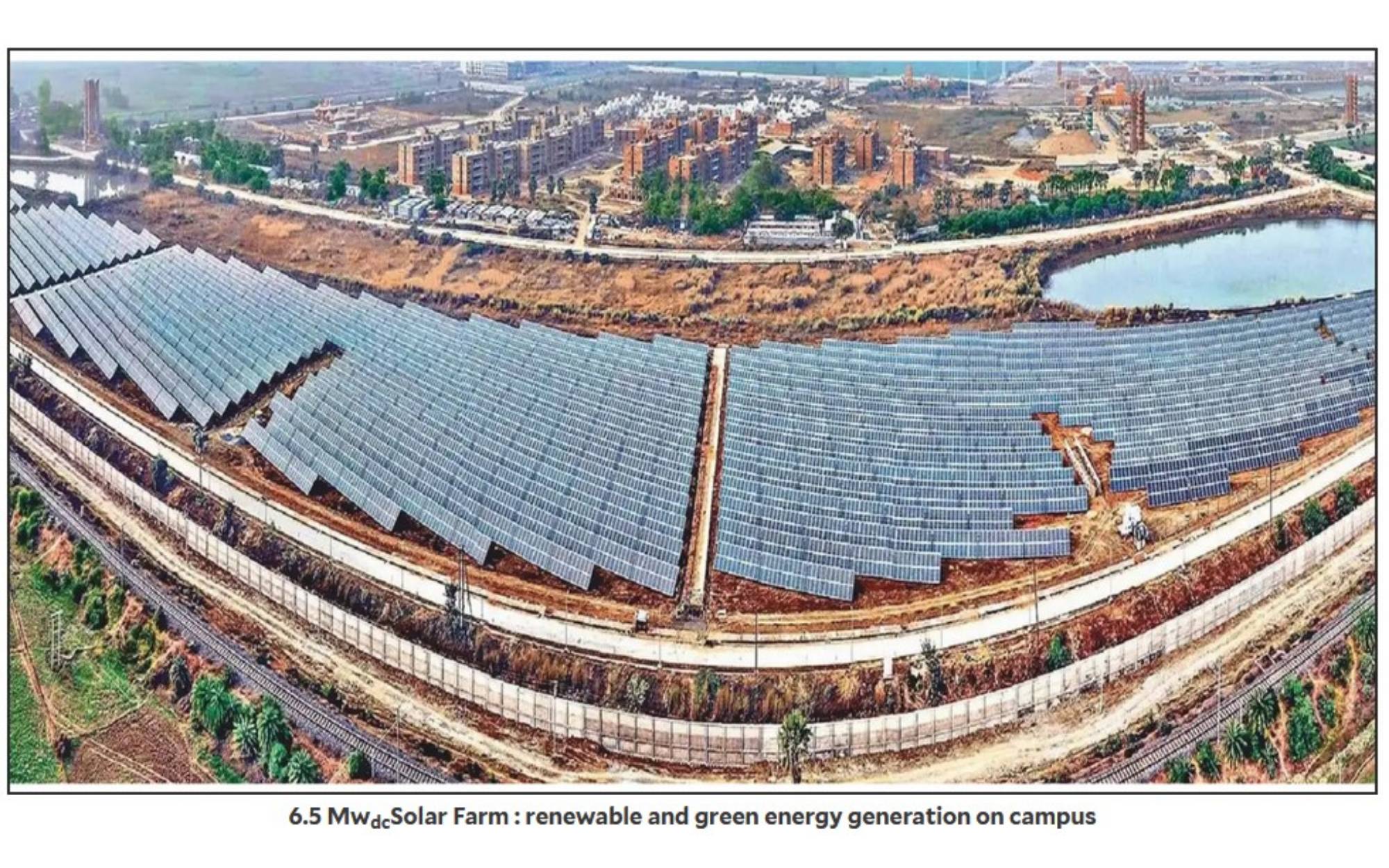
Spread across 455 acres of green, quiet land in Rajgir, the campus is designed with purpose. It’s one of India’s first net-zero campuses, meaning it generates as much energy as it consumes. Solar panels, rainwater harvesting, recycled water systems, and minimal waste generation aren’t just afterthoughts—they’re baked into its DNA.But what’s truly impressive is how it blends the modern with the traditional. Red brick structures echo the aesthetic of the original Nalanda. Open courtyards, long corridors, water bodies, and shaded study zones invite both contemplation and conversation. It’s calm, but not sleepy. Smart, but not sterile.
The architectural vision behind the new campus of Nalanda University, located in Rajgir, Bihar, is grounded in a powerful synthesis of sustainability, cultural memory, and academic purpose. It reimagines an ancient model of knowledge-sharing while addressing the urgent challenges of the present and future. The campus isn’t just a place to study—it’s a reflection of India’s philosophical heritage, a climate-resilient design, and a template for how higher education spaces can evolve.
The design draws deep inspiration from the original Nalanda Mahavihara, one of the world’s oldest and most renowned centers of learning (5th–12th century CE). Rather than imitating its exact architectural forms, the new campus abstracts its essence:
Grid-Based Planning: The ancient university was known for its orderly grid layout. This principle is retained in the new masterplan with clearly defined academic, residential, and public zones arranged around courtyards and walkways.
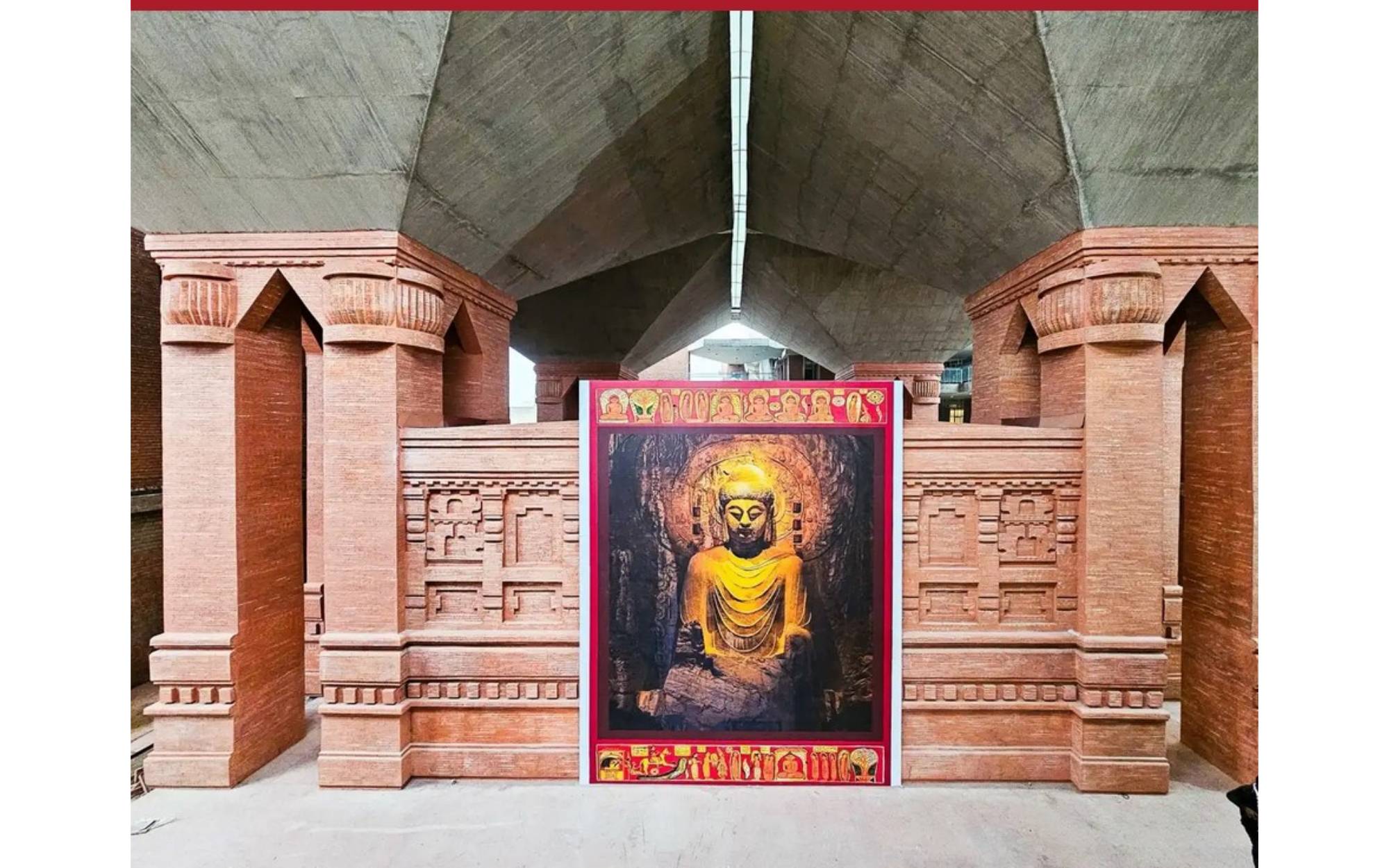
Monastic Simplicity: Buildings reflect a restrained aesthetic, avoiding excessive ornamentation. Like the viharas and chaityas of ancient times, they are functional, contemplative spaces.
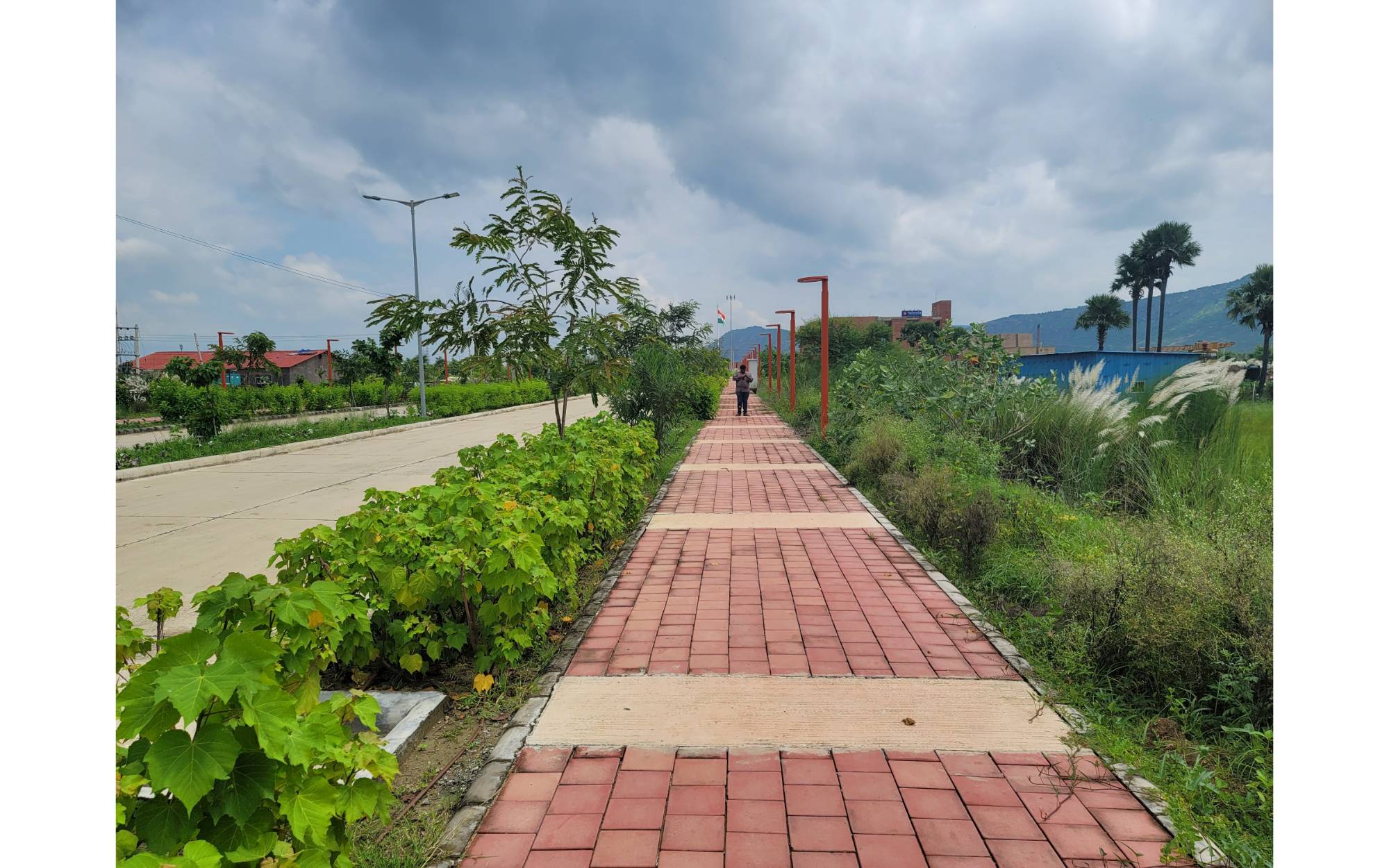
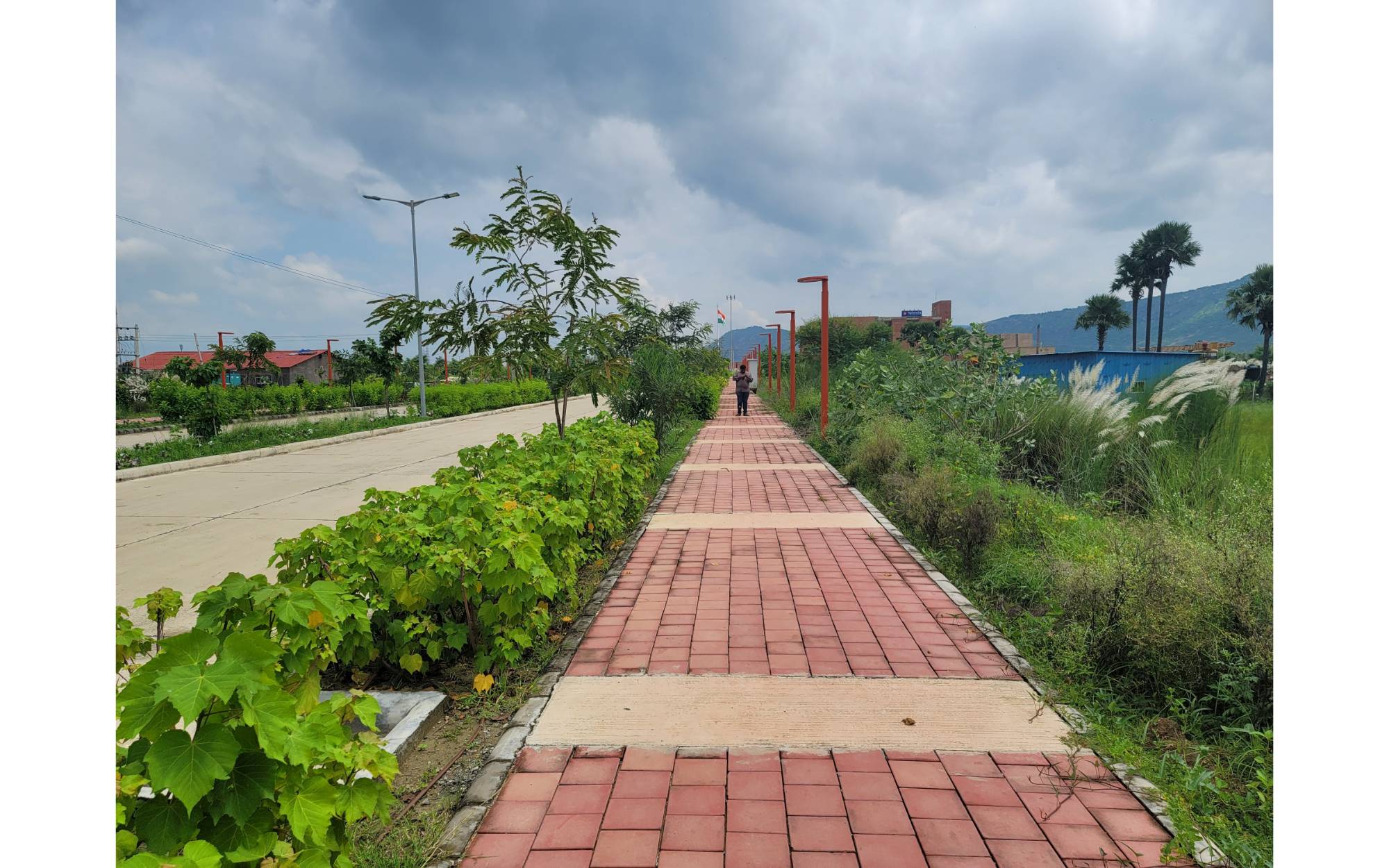
Built-In Symbolism: Architectural forms such as courtyards (representing dialogue), water bodies (signifying reflection), and shaded walkways (evoking the journey of learning) are used throughout the design.
This respectful reinterpretation ensures continuity with the past while avoiding nostalgic replication.
Nalanda’s new campus is envisioned as a net-zero project. Sustainability is not a side objective—it’s built into every aspect of the architecture and planning.
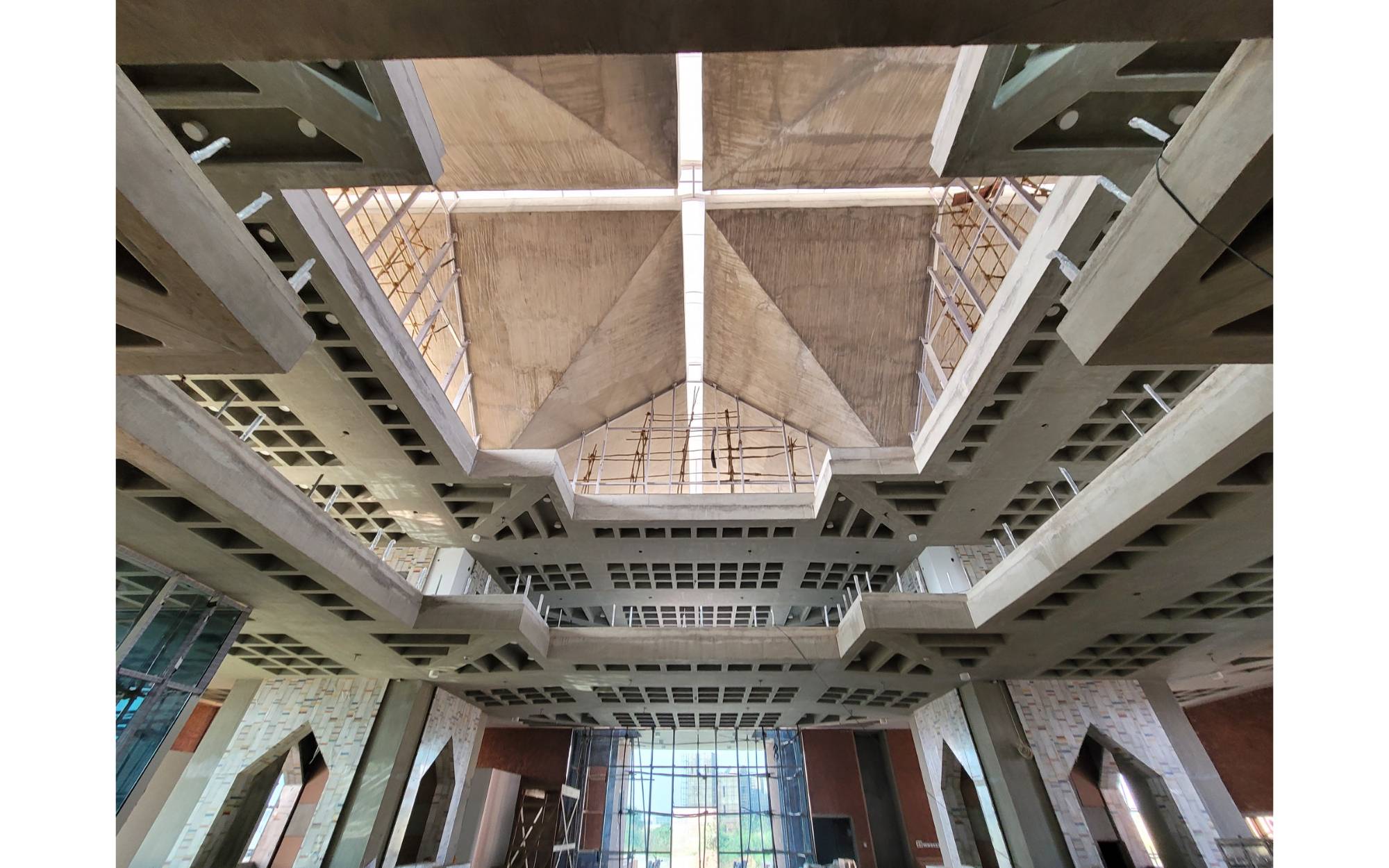
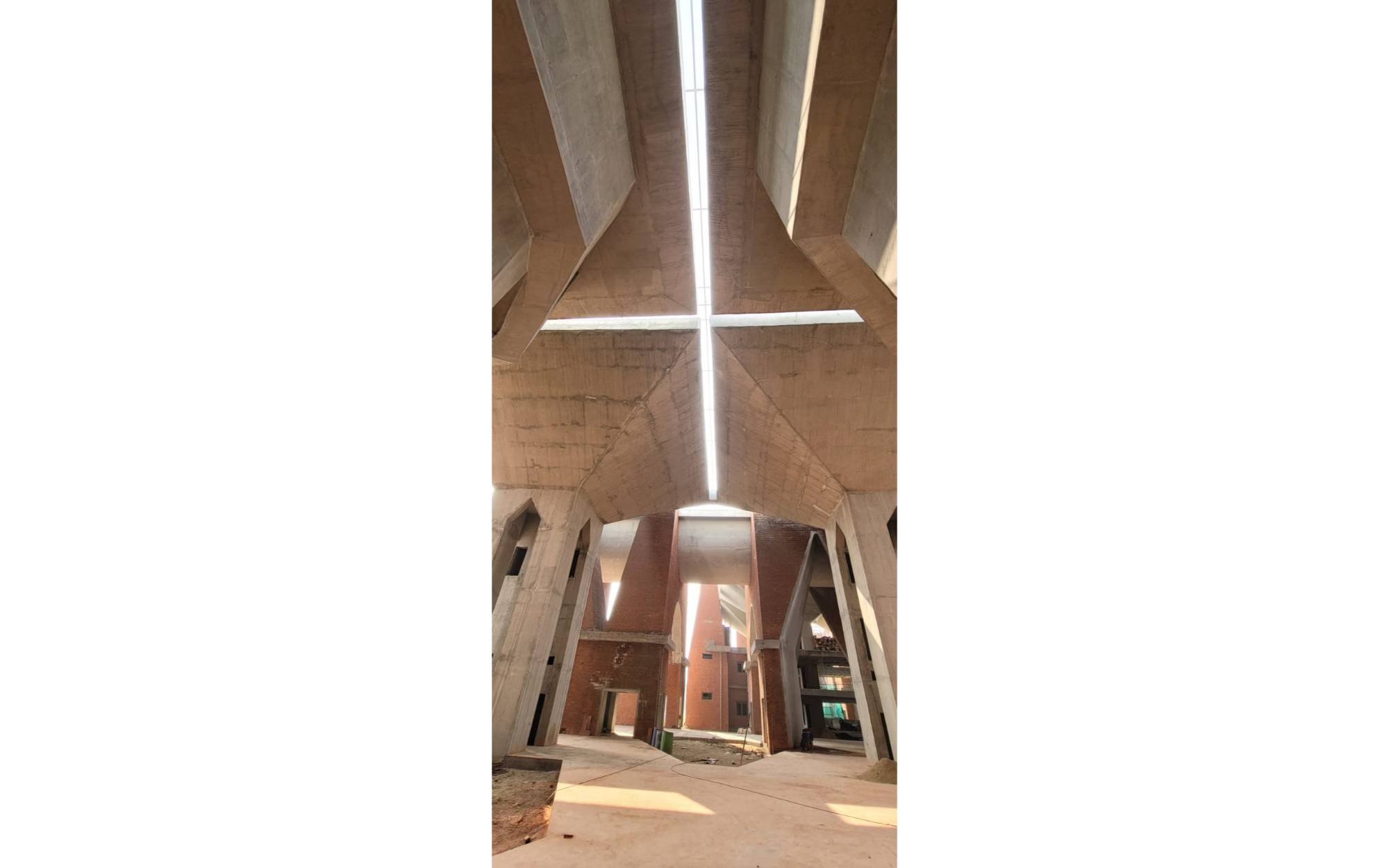
Energy Efficiency: Passive solar design strategies guide building orientation, insulation, and material choice. Roofs are optimized for solar panel installation, and natural light is maximized across interiors.
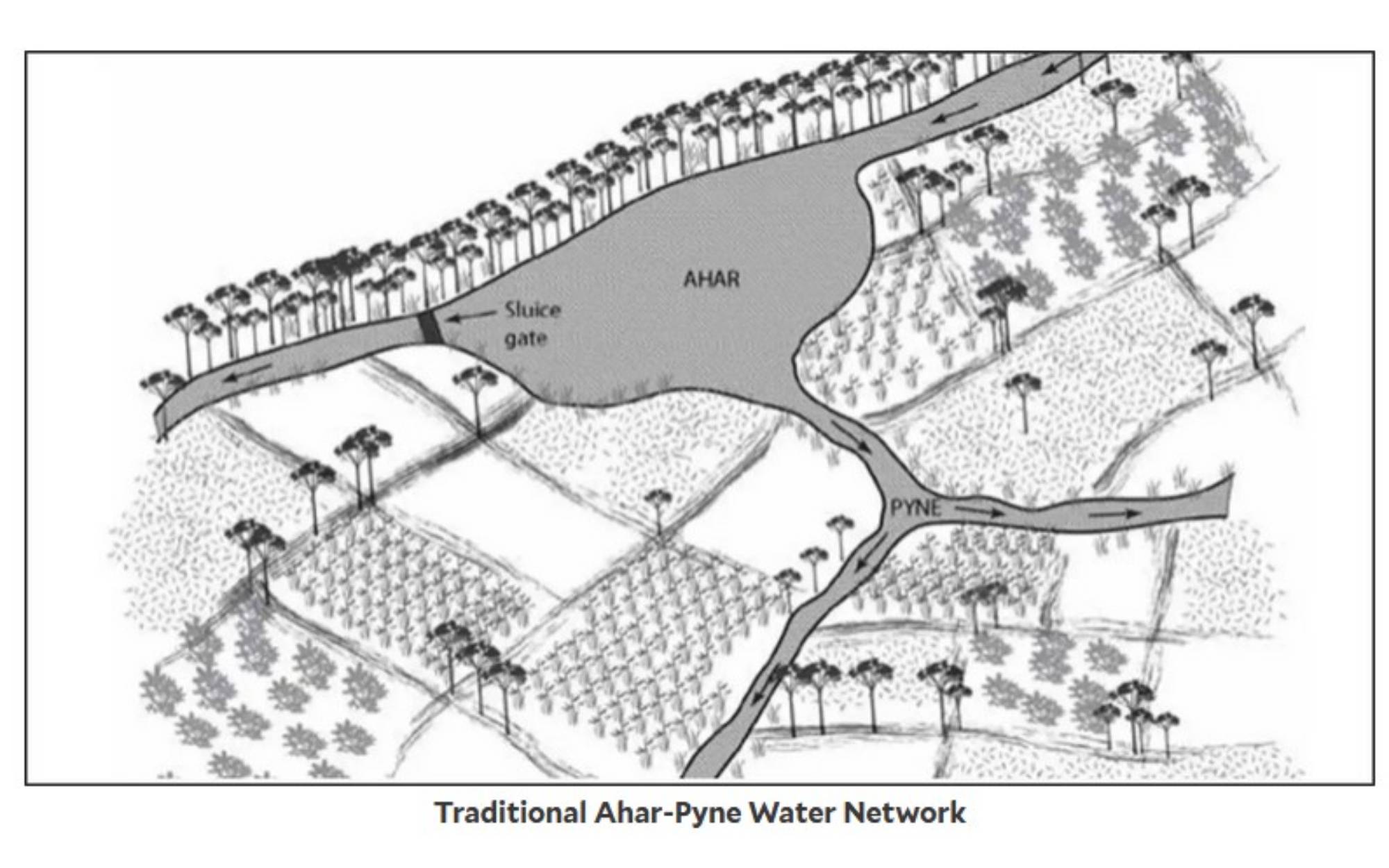
Water Management: The campus aims to be water-positive, using rainwater harvesting, greywater recycling, and integrated water bodies for recharge and storage.
Waste Minimization: The layout includes systems for solid waste segregation, composting, and recycling, with a goal of becoming zero-waste.
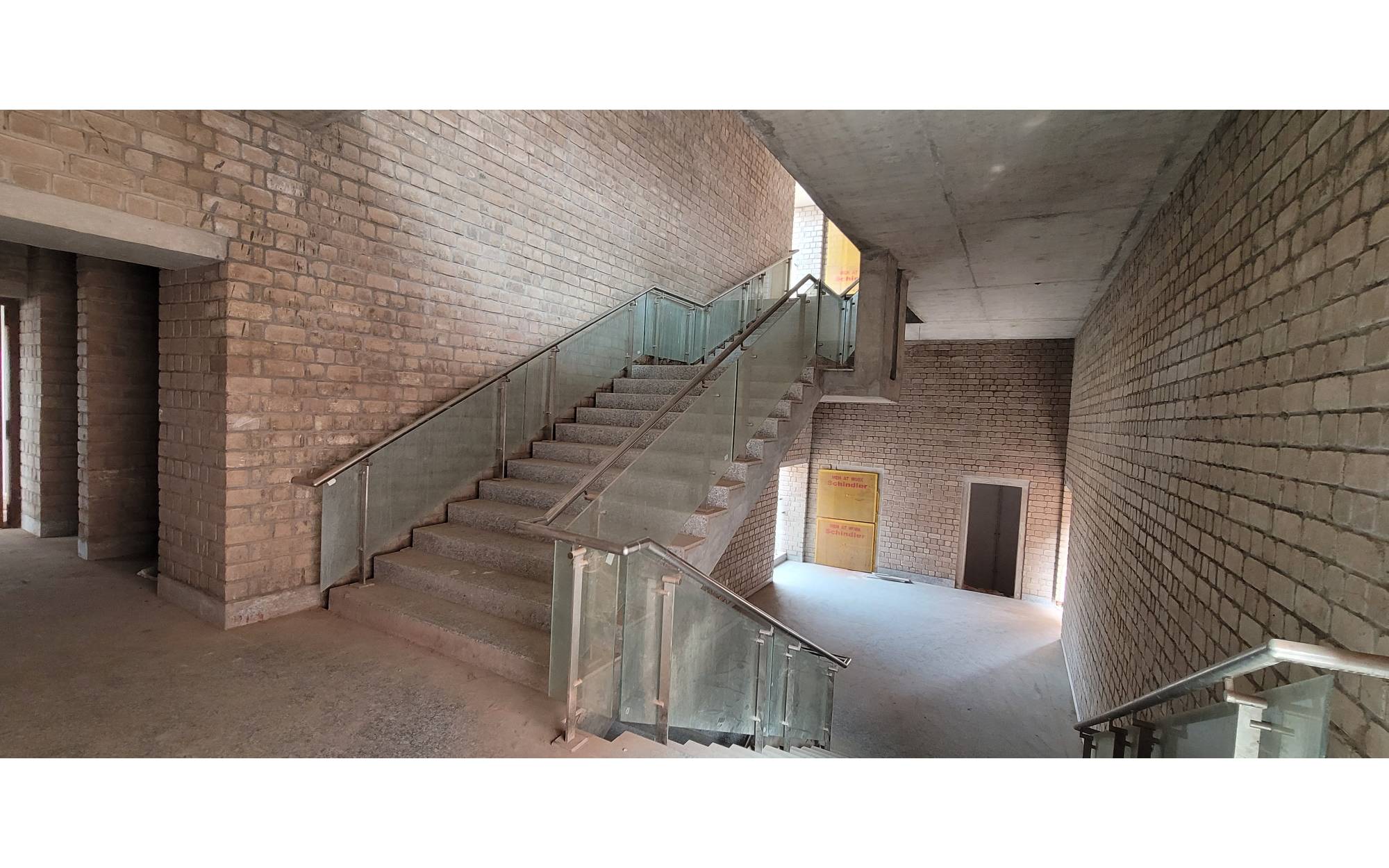
Material Selection: Local materials, especially brick, stone, and lime plaster, are used for lower embodied energy and contextual relevance.
This approach positions the campus as a model of ecological architecture in the Indian context.
The campus respects both the physical landscape of Rajgir and the social-cultural environment of rural Bihar.
Climate-Sensitive Design: The region’s hot summers and monsoonal climate shape the design. Deep overhangs, shaded verandas, and ventilated courtyards are used to reduce heat gain and improve thermal comfort.
Landscape Integration: Buildings are carefully placed to preserve the natural topography. Native vegetation is used extensively to minimize water usage and enhance biodiversity.
Cultural Resonance: The architecture uses forms, materials, and spaces familiar to the region’s history and people, promoting a sense of local identity and pride.
The spatial organization of the campus is aligned with Nalanda’s core academic mission: fostering deep, inclusive, and interdisciplinary learning.
Academic Clusters: Disciplines are grouped in modular blocks that promote both specialization and interaction. Walkways and open areas encourage informal discussions and interdepartmental exchange.
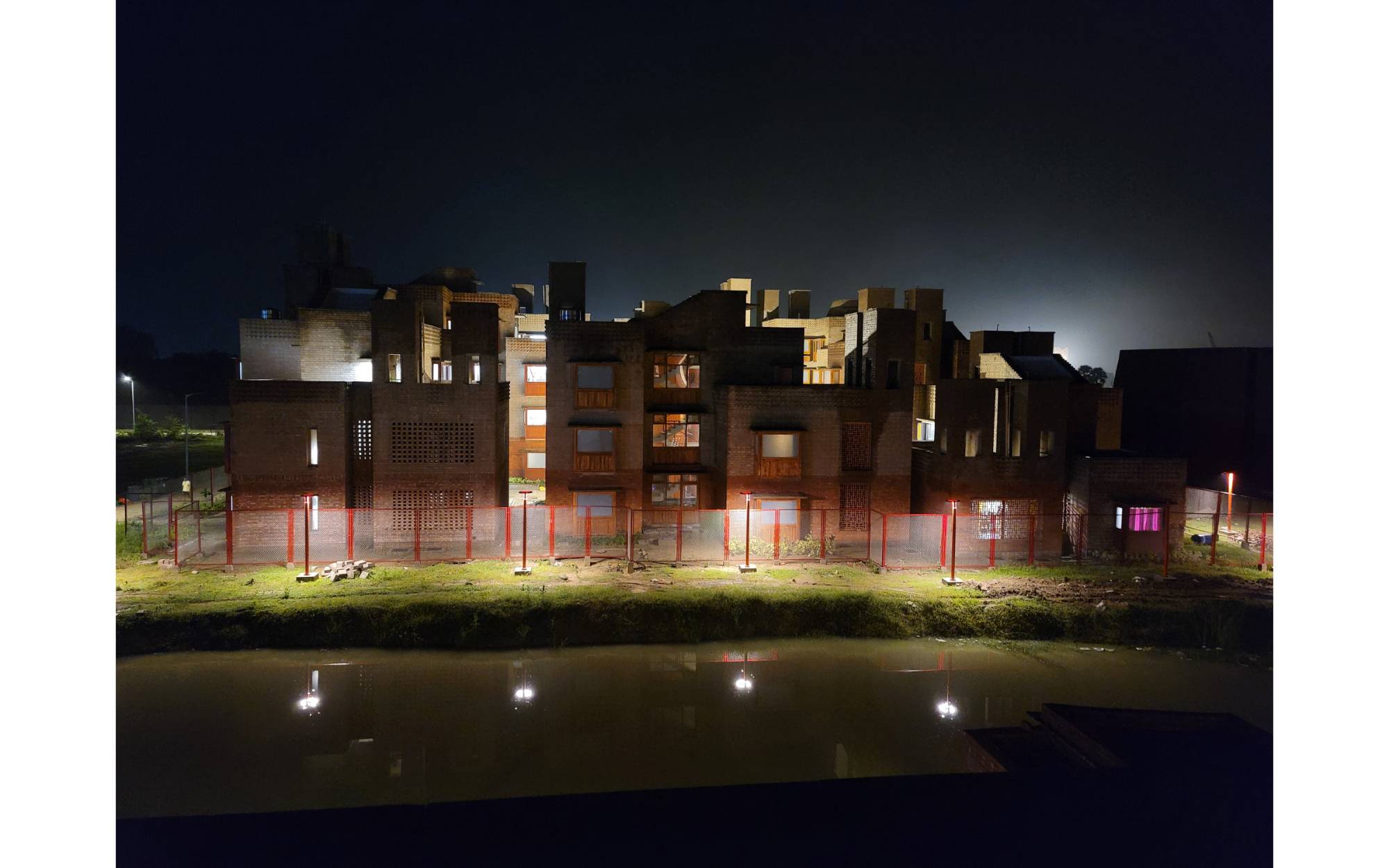
Residences as Learning Environments: Student housing isn’t isolated from academic life—it’s integrated, with courtyards, lounges, and study areas designed to support community and conversation.
Libraries and Reflection Spaces: The central library is not just a book repository but a hub of quiet thought, positioned near water features and meditation zones to promote focus and inner balance.
Unlike static campus models of the past, Nalanda’s new campus is designed for adaptability.
Phased Development: The masterplan allows for scalable expansion without compromising the original spatial harmony.
Multi-Use Design: Many buildings are built with modular interiors, allowing spaces to serve different functions as needs evolve.
Technology-Enabled: Smart infrastructure and digital connectivity are built-in but discreet, keeping the physical environment serene while staying globally connected.
Key Facilities
Academic Blocks: Equipped with smart classrooms, seminar halls, and research spaces.
Library (Pustak Sadan): Designed as a central feature of the campus, echoing the legendary library of ancient Nalanda.
Residential Complexes: Hostels for students and residential quarters for faculty and staff.
Auditorium and Amphitheaters: For conferences, cultural events, and international symposia.
Sports and Wellness Facilities: Gym, yoga centers, and recreational spaces.
International Students Housing and Facilities: Reflecting Nalanda’s global orientation.
The new Nalanda is a place where:
A Thai monk and a German environmentalist might share a coffee after class.
A historian might walk into a philosophy lecture and walk out questioning everything.
Students hike up the hills of Rajgir or meditate near a Bodhi tree—not because it's trendy, but because it feels right.
And that’s the real power of this place. It’s not chasing trends. It’s honoring a tradition of slow, deep thinking in a world that’s moving way too fast.

Have a question? Chat with us on WhatsApp and we'll get back to you shortly.